Start typing to search.
Slang & Culture
Korean slang, social concepts, food, and the unwritten rules of everyday life in Korea.
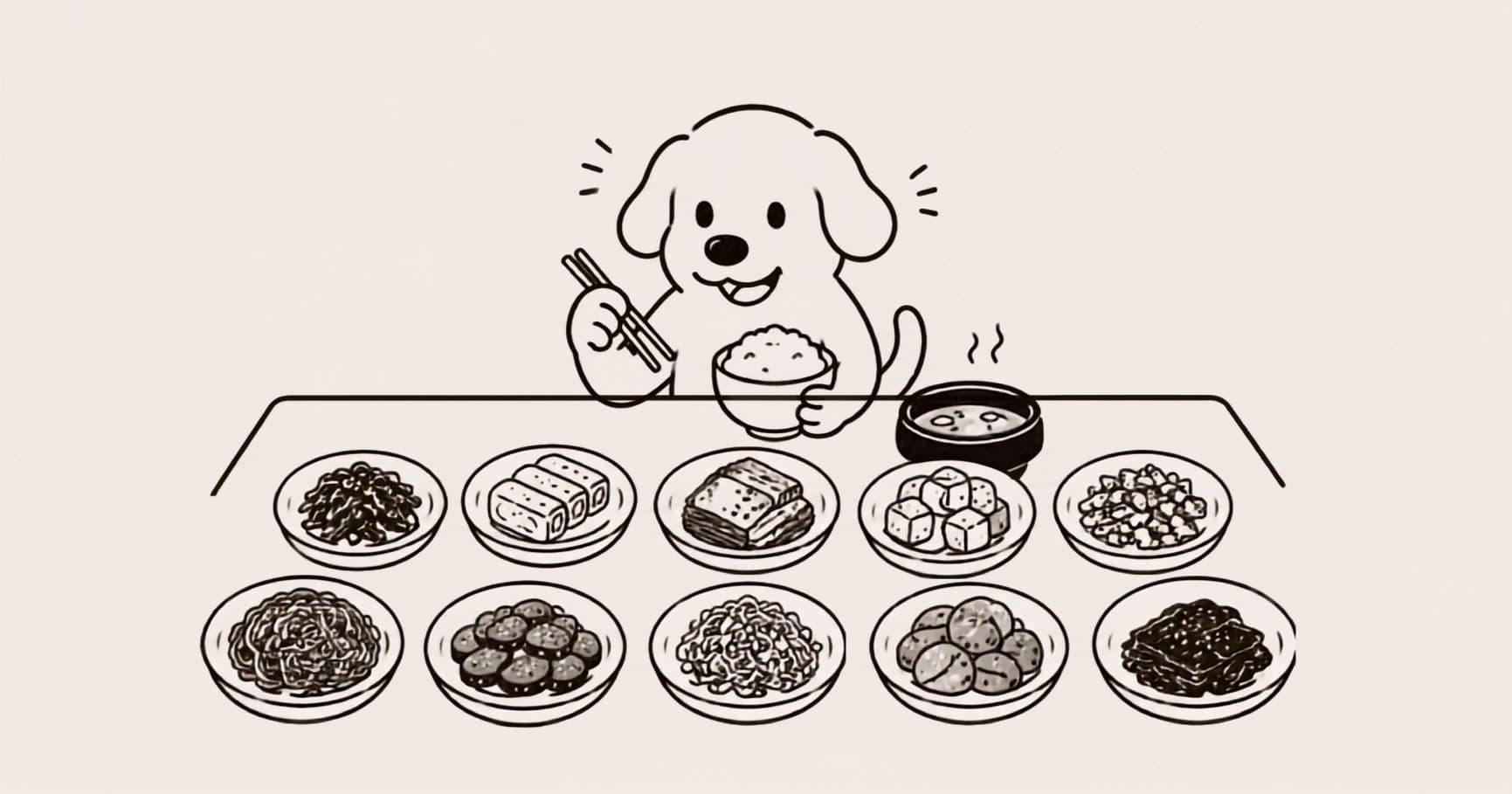
You order one dish at a Korean restaurant and six small plates arrive before your food. Free, unlimited, and kind of the whole point — this is 반찬.
Pouring, receiving, refusing — the unwritten rules of drinking in Korea.
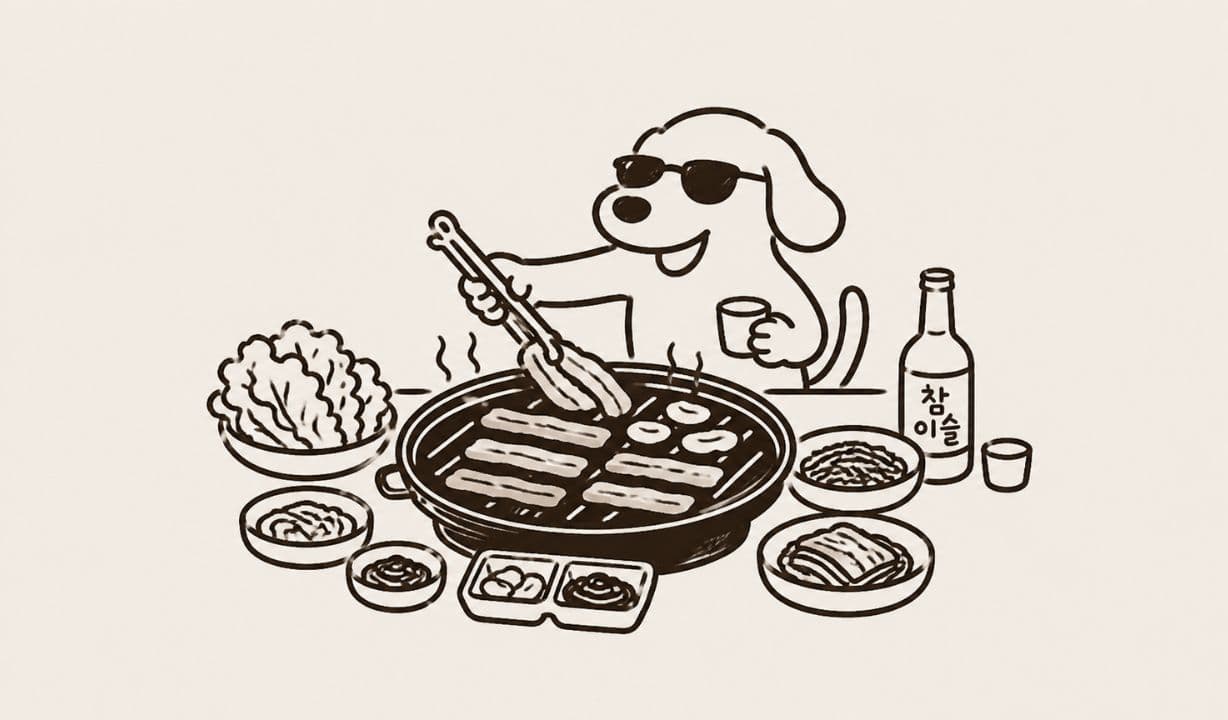
Pork belly on a live grill, scissors, lettuce wraps, and soju. 삼겹살 night is its own social ritual — and it comes with its own vocabulary.
숏폼 content moves fast — and so does the Korean inside it. Compressed captions, speed-text abbreviations, and reaction words that fit in two seconds. Here's the format.
유행어 are the slang words that blow up, spread everywhere, and define a moment in Korean culture. Here's what went viral in 2024–25 and what it actually means.
Koreans pay real money for KakaoTalk stickers — and use them constantly. Here's why stickers matter, what they communicate, and the vocabulary that goes with them.
당근마켓 — now just 당근 — is Korea's Craigslist, Facebook Marketplace, and neighborhood app in one. Here's the casual Korean you need to buy, sell, and connect on it.
K-pop fandoms invented their own language — and much of it crossed over into everyday Korean. Here's the slang that started with fans and ended up in everyone's mouth.
인스타 감성 is the aesthetic language of Korean Instagram culture — a specific visual and verbal vocabulary for beauty, atmosphere, and the art of the well-curated moment.
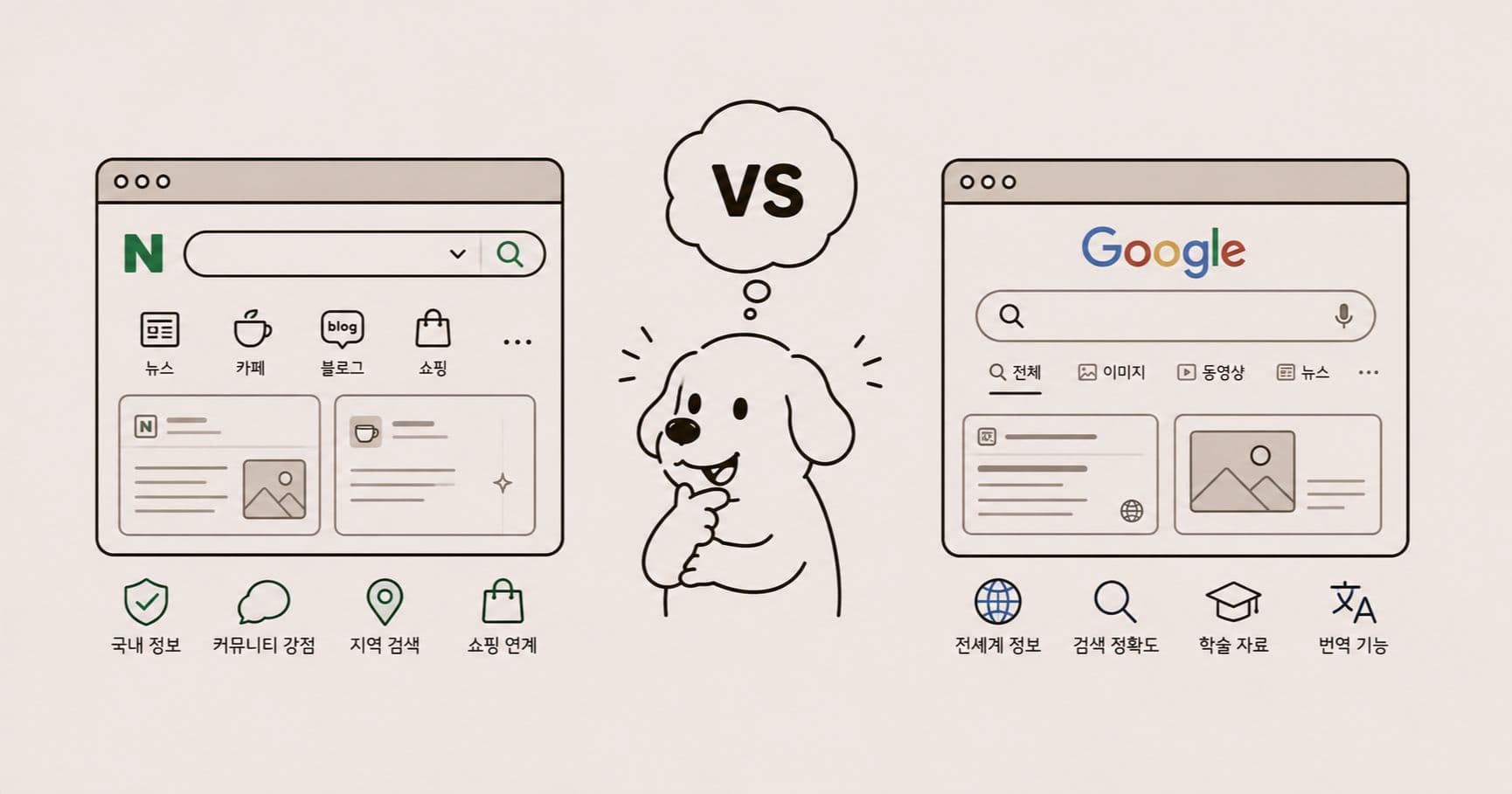
Google dominates the world. In Korea, Naver dominates Korea. Here's why Koreans search differently, what it means for daily life, and the vocabulary that comes with it.
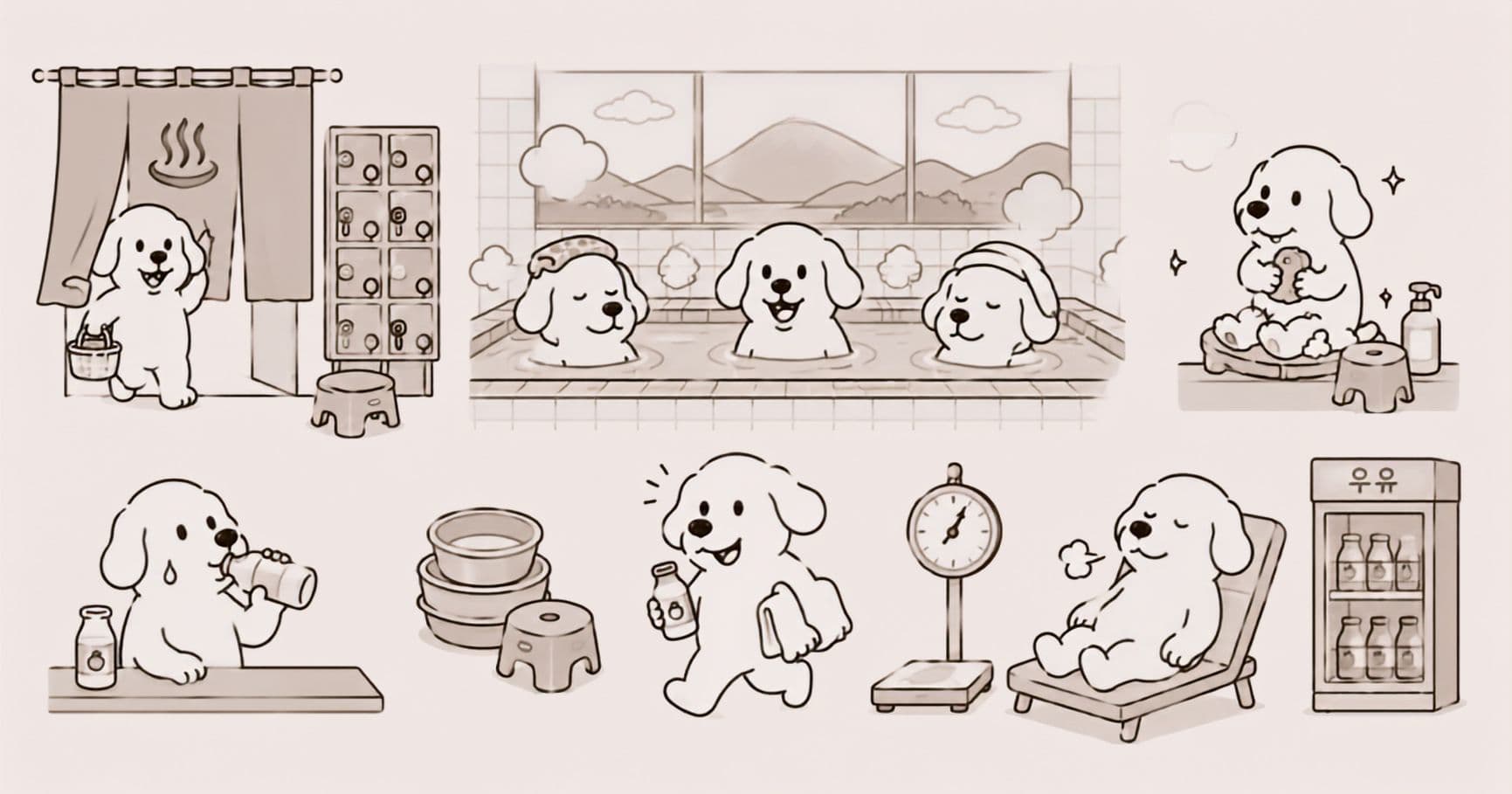
목욕탕 is the Korean public bathhouse — older, more local, and more communal than a 찜질방. Here are the unwritten rules, the vocabulary, and what to expect inside.
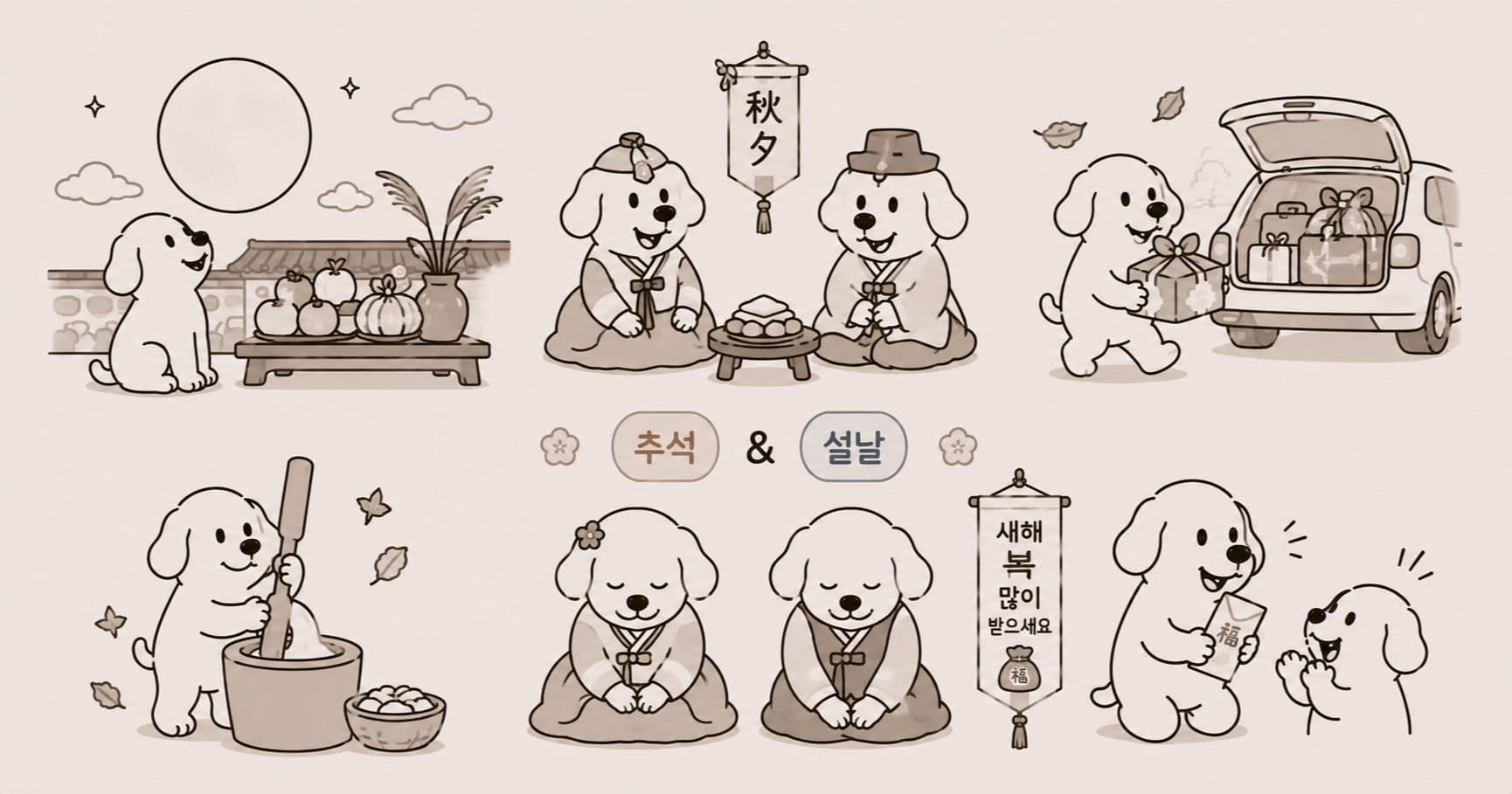
추석 and 설날 are Korea's two biggest holidays — a time for families to gather, perform ancestral rites, eat traditional food, and navigate the traffic of a nation going home.
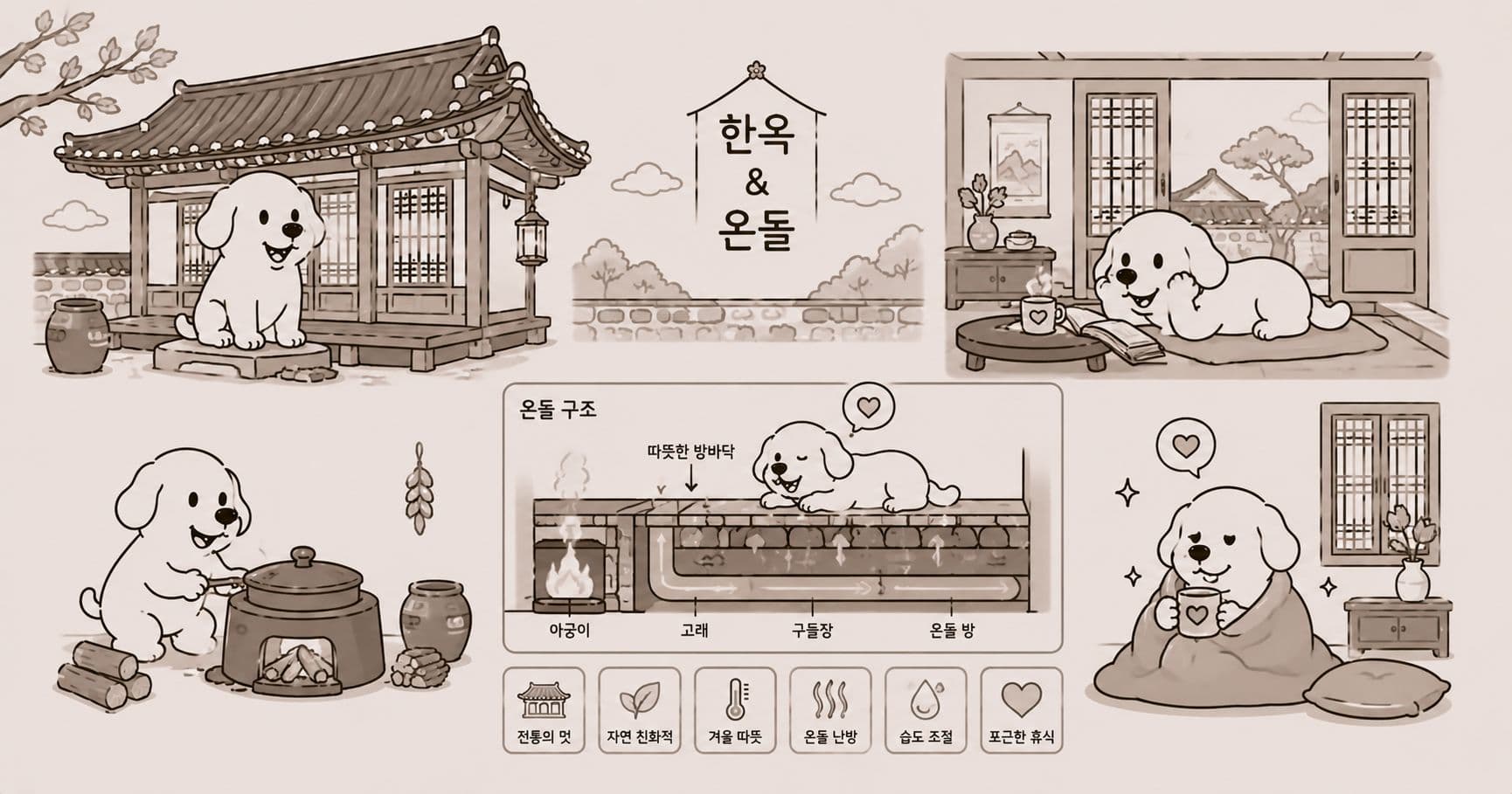
한옥 is the traditional Korean house. 온돌 is its heated floor. These two words open up a whole vocabulary of Korean space — how homes are built, lived in, and felt.
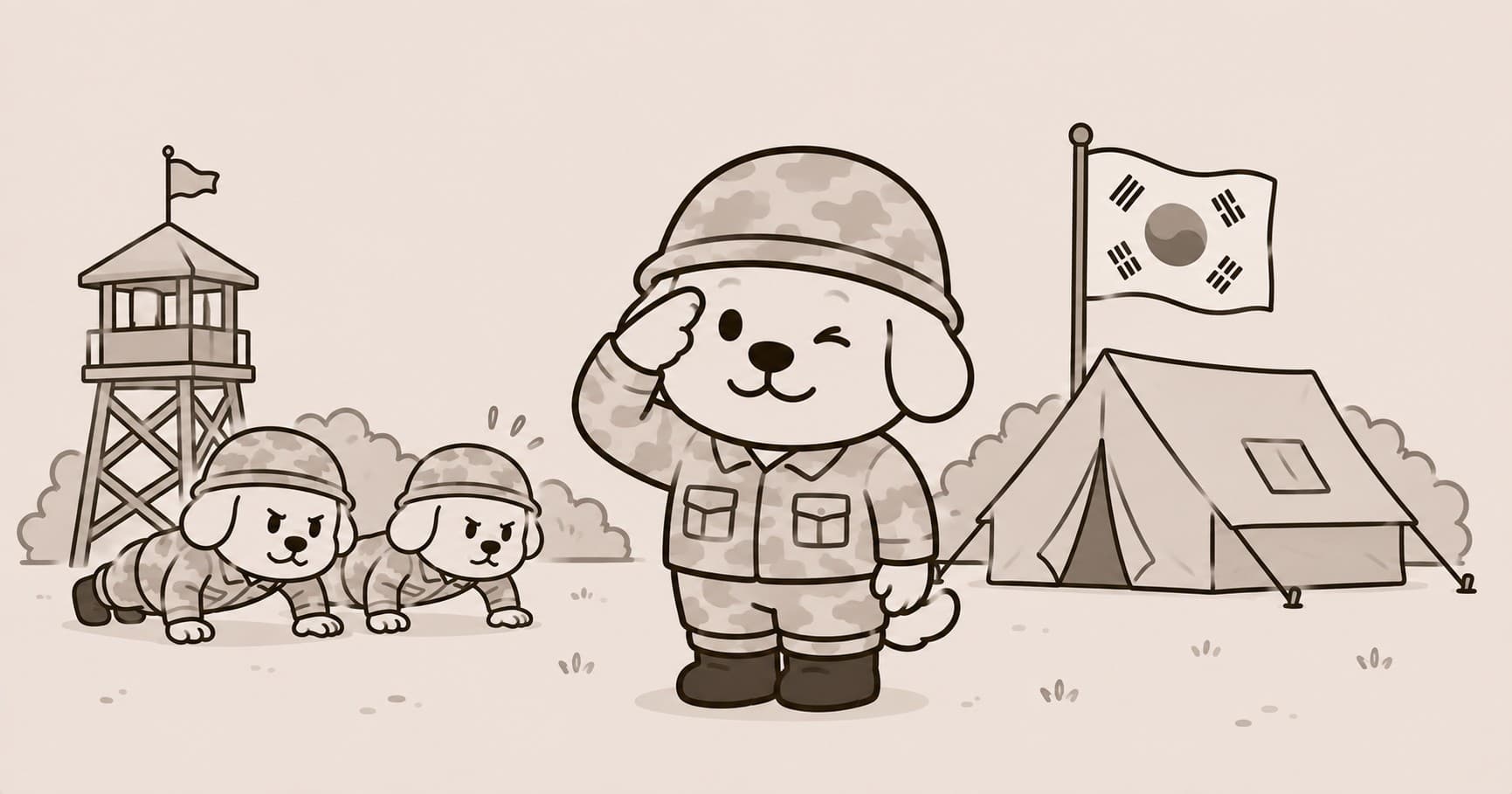
Military service is mandatory for Korean men — and it leaves a deep mark on language, identity, and social life. Here's the vocabulary and what it means.
수능 is the college entrance exam that shapes Korean society. One day, one test, and the language and culture built around it.
K-dramas are full of recurring scenes — the wrist grab, the piggyback, the hospital hallway. These scenes also teach real Korean. Here are the clichés and the language they carry.
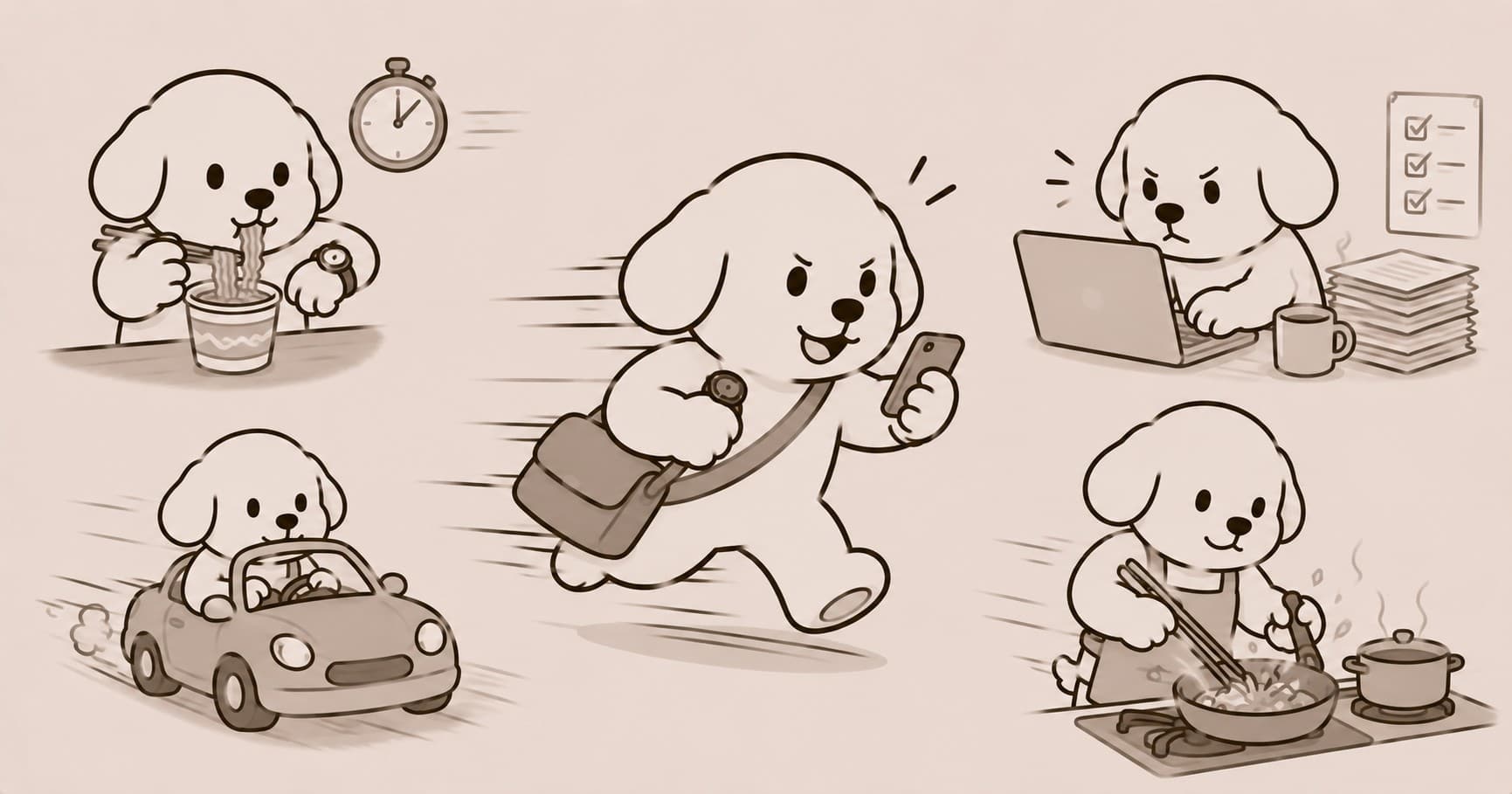
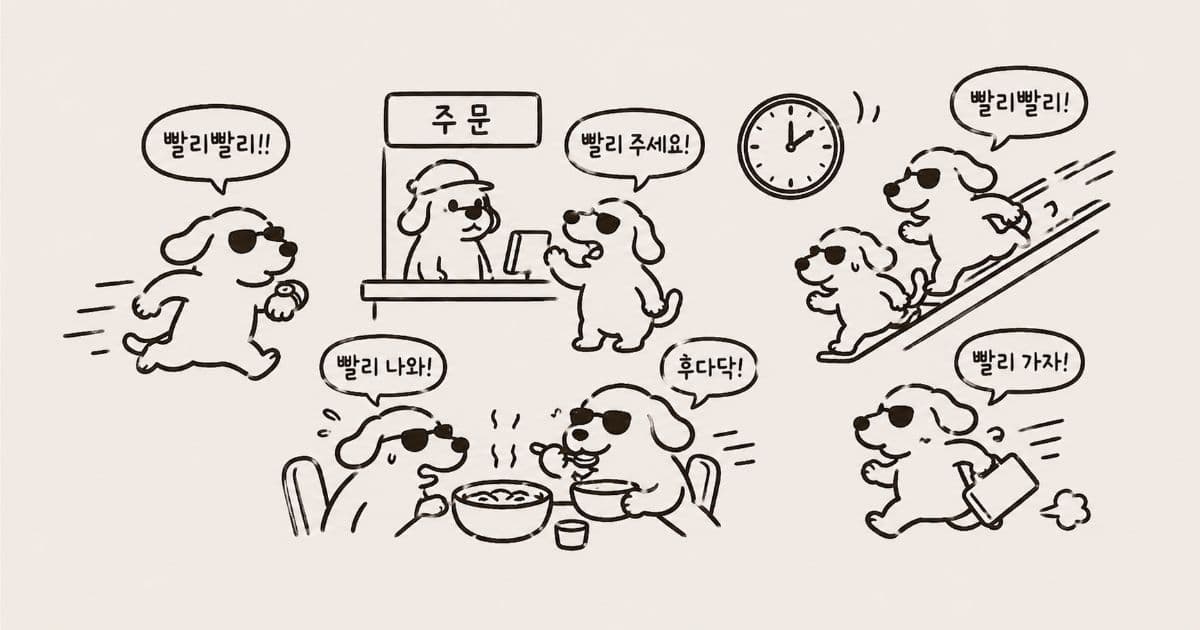
빨리빨리 made Korea fast, efficient, and modern. It also created burnout, pressure, and a generation pushing back. Here's the word and the culture behind it.
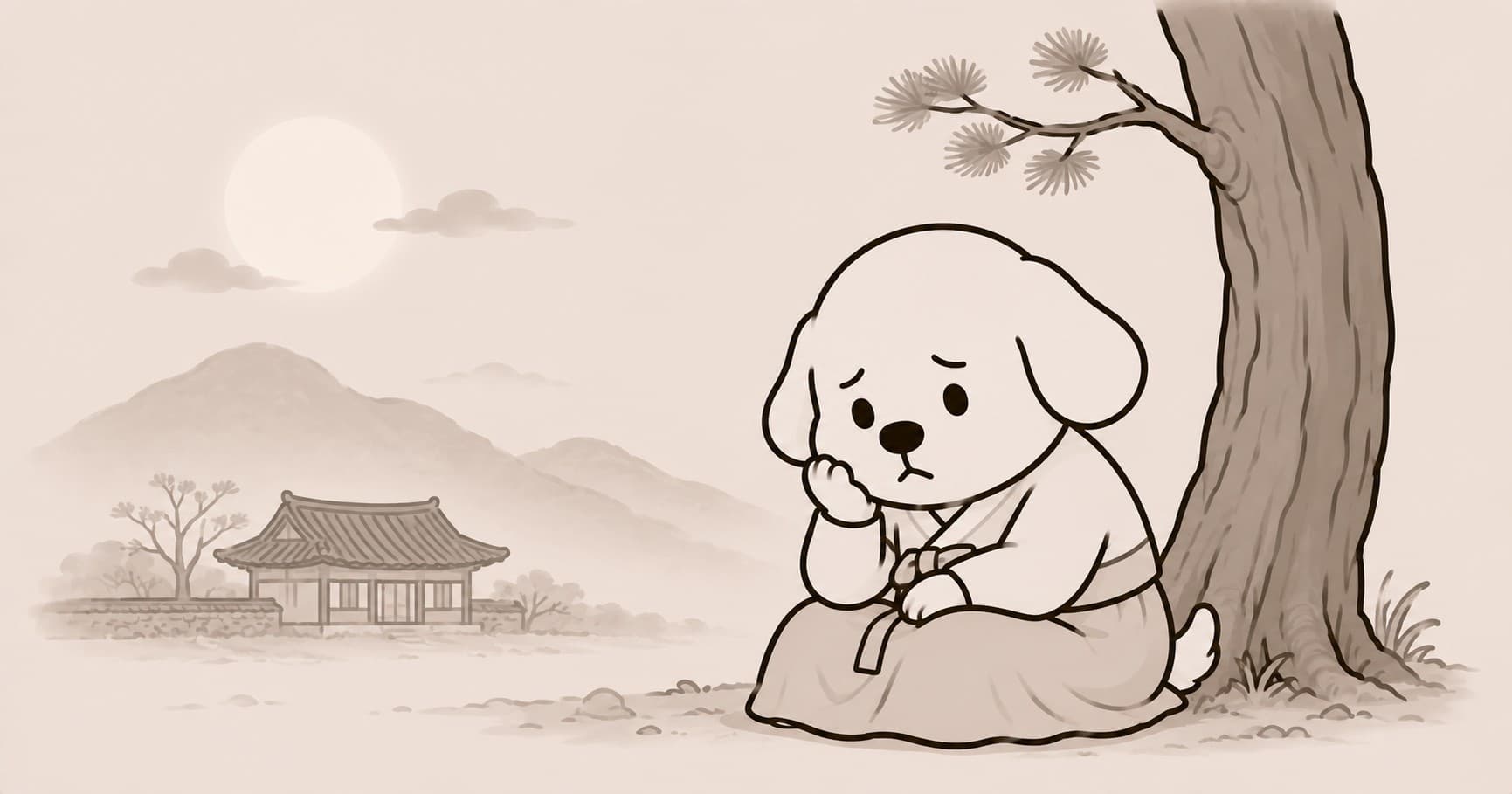
한 is a Korean emotional concept with no direct translation — a deep, collective feeling of grief, injustice, longing, and resilience woven into Korean history, music, and art.
체면 is the Korean concept of face — social dignity, reputation, and the invisible rules around protecting it. It shapes how Koreans speak, disagree, decline, and apologize.
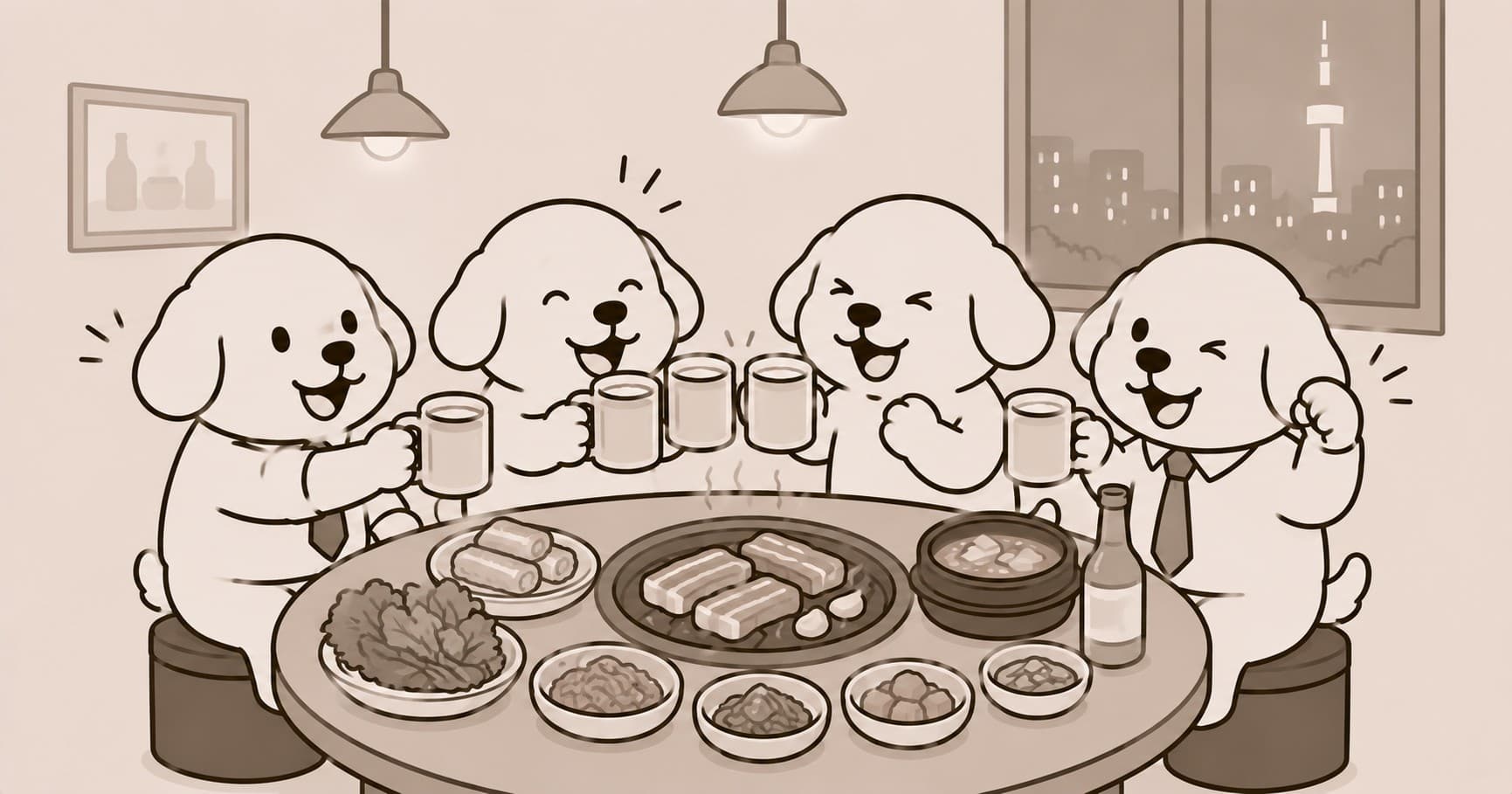
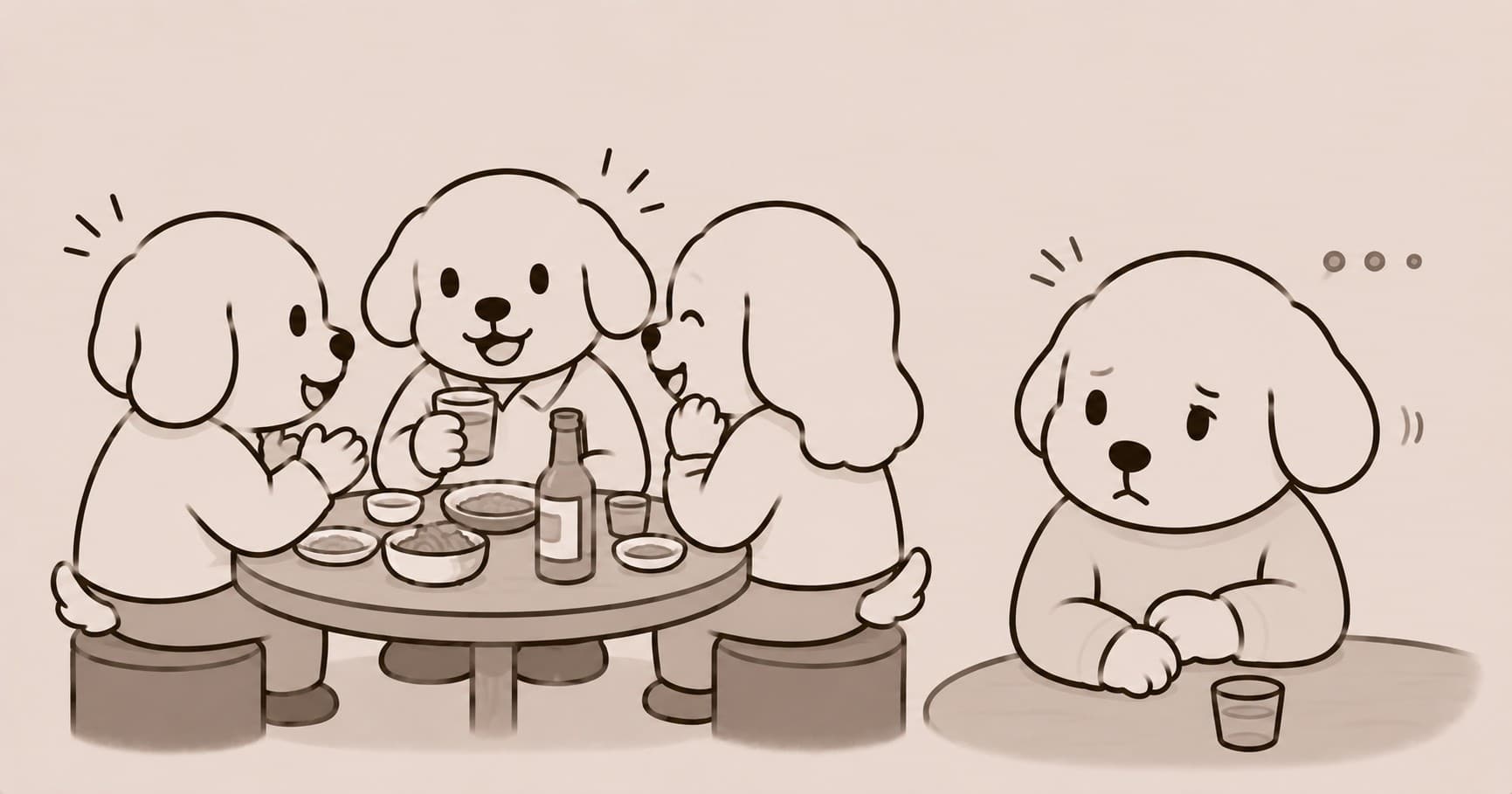
회식 is the Korean work dinner — and it's not really optional. Here's what it is, what happens, the vocabulary you need, and why it's slowly changing.
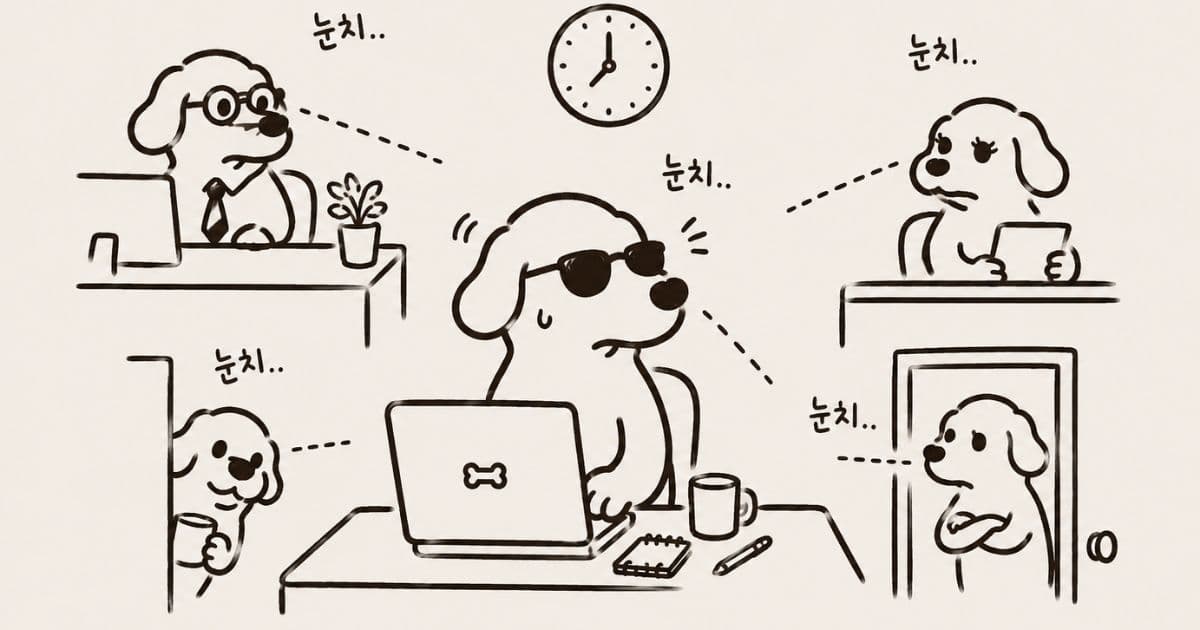
눈치 is the Korean art of reading a room. This deeper look goes beyond the word itself — real examples, what good and bad 눈치 actually look like, and the common mistakes outsiders make.
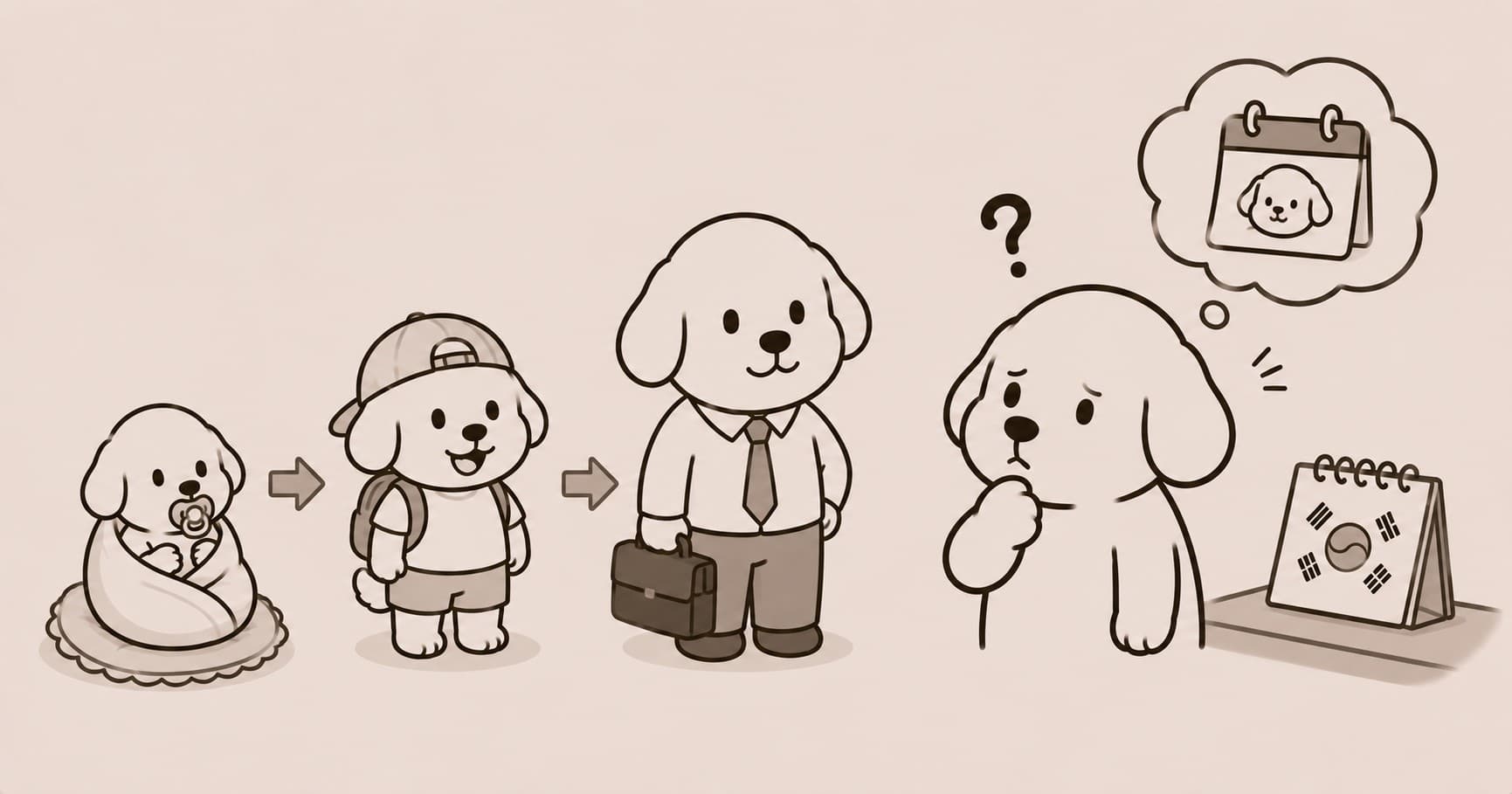
In Korea, you are older than you think. The Korean age system works differently from the international system — and understanding it explains why age comes up in every first conversation.
In Korea, you call people older than you by family titles — even strangers. Oppa, unnie, hyung, noona. Here's what each one means, who uses it, and why this system exists.
Korean has two speech levels — formal and informal — and knowing when to use which is one of the most important social skills in the language. Here's the clearest breakdown for beginners.
애교 is the deliberate performance of cuteness — a softened voice, exaggerated expressions, playful behavior. It's a real social skill in Korea, and the language that goes with it.
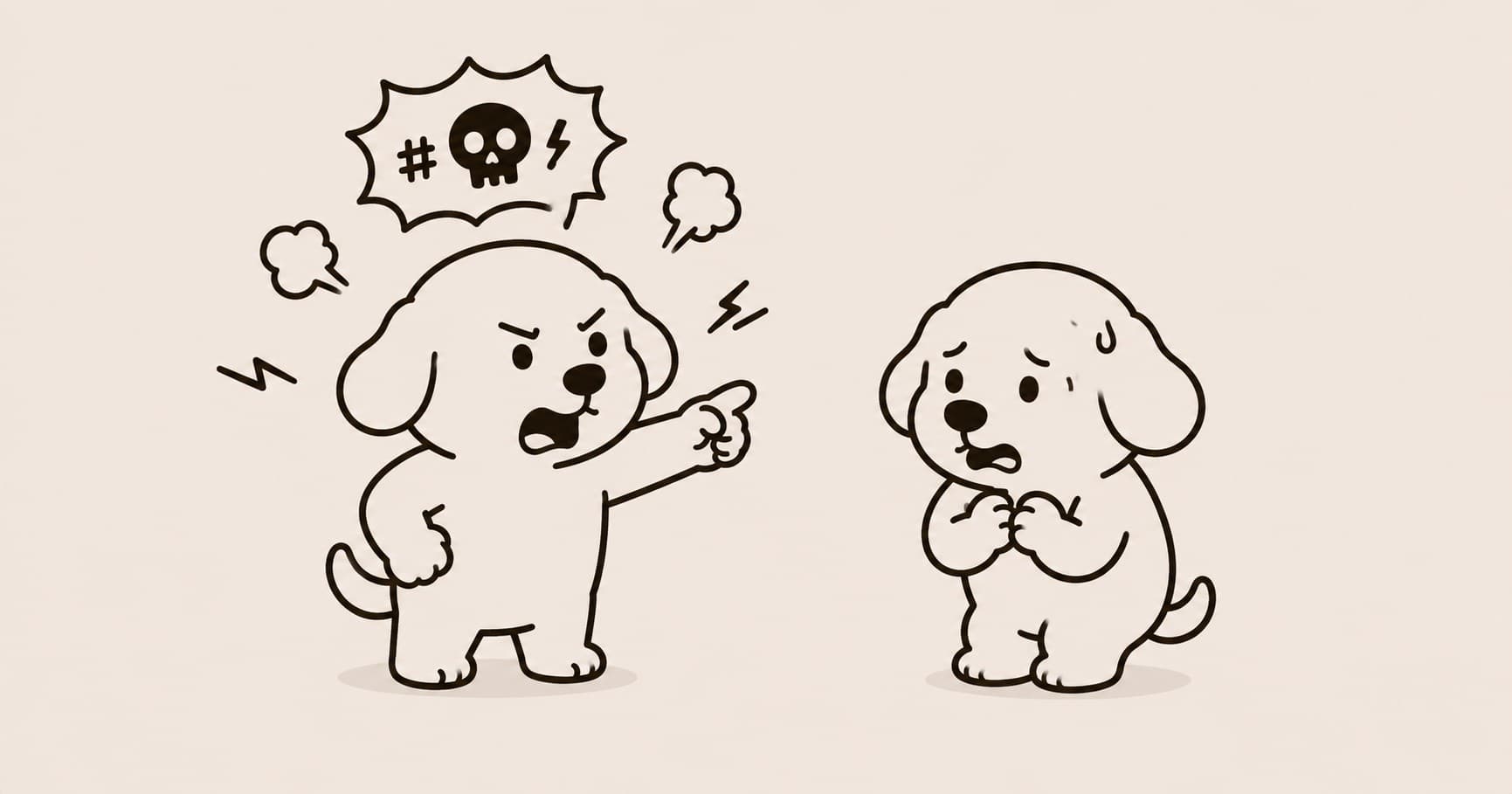
Everyone searches for this. No textbook covers it properly. Here's what Korean swear words actually are, what they mean, and the social rules around when they get used.
진짜 and 정말 both mean 'really' — and they're used constantly. Here's when to use which, and how Koreans layer them together for maximum emphasis.
어색하다 means awkward — but it covers much more than just embarrassing situations. It describes anything that doesn't feel natural, and it comes up constantly in Korean conversation.
피곤해 means tired. But in Korea, tiredness is a complex, layered state — and the language around exhaustion says something real about how hard Korean life can be.
Beyond 맛있어요 (delicious) — how Koreans actually talk about food. The words for rich, bland, spicy, savory, and everything in between.
귀엽다 and 예쁘다 both translate as 'pretty' or 'cute' in English — but in Korean they mean very different things. The difference matters, and Koreans notice it.
Real Korean conversations are full of 있잖아, 그러니까, 뭐랄까, and 어. These filler phrases are what native speakers actually sound like — and learning them makes you sound natural fast.
화이팅 is Korea's all-purpose cheer — said before exams, before presentations, to exhausted friends, to athletes, to yourself. It means: you can do this.
잠깐만요 means 'just a moment.' It's short, polite, and you'll use it every single day — in shops, in conversations, on the phone, and everywhere in between.
괜찮아요 translates as 'I'm fine' or 'it's okay.' But in Korean conversation, it often means the opposite — or something much more complicated.
어떡해 and 어떻게 sound almost identical. But they mean completely different things — and mixing them up is one of the most common mistakes even advanced Korean learners make.
아이고 is one phrase with a hundred emotions. It can mean oh no, oh my, ouch, ugh, wow, poor thing, and more — all depending on how you say it.
대박 means jackpot. It also means wow, amazing, unbelievable, that's crazy, no way, and about fifty other things. One word, infinite situations.
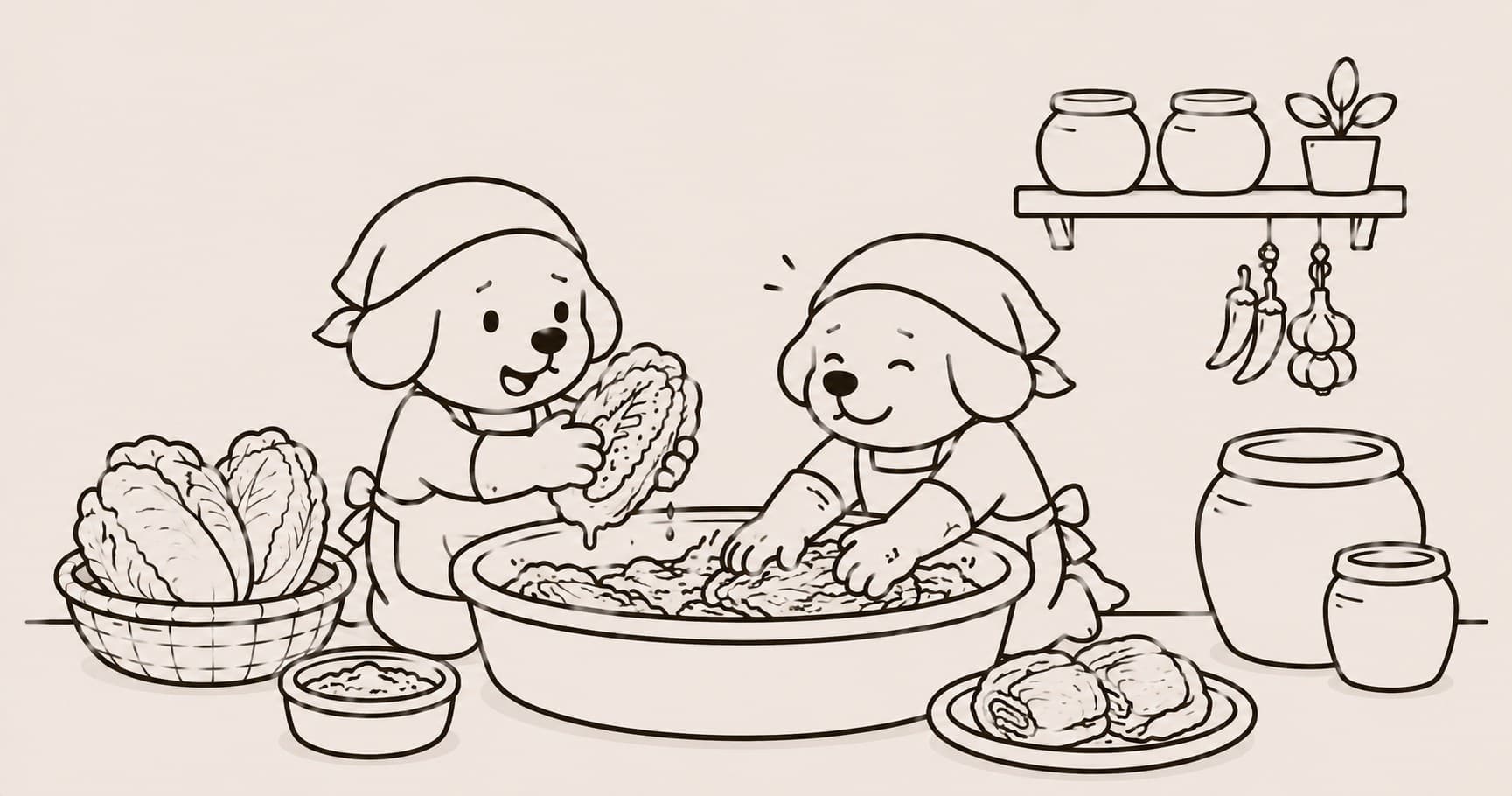
김장 is the annual tradition of making kimchi together — enough for a whole winter. It's labor, it's family, it's neighbors helping neighbors. And it says everything about Korean food culture.
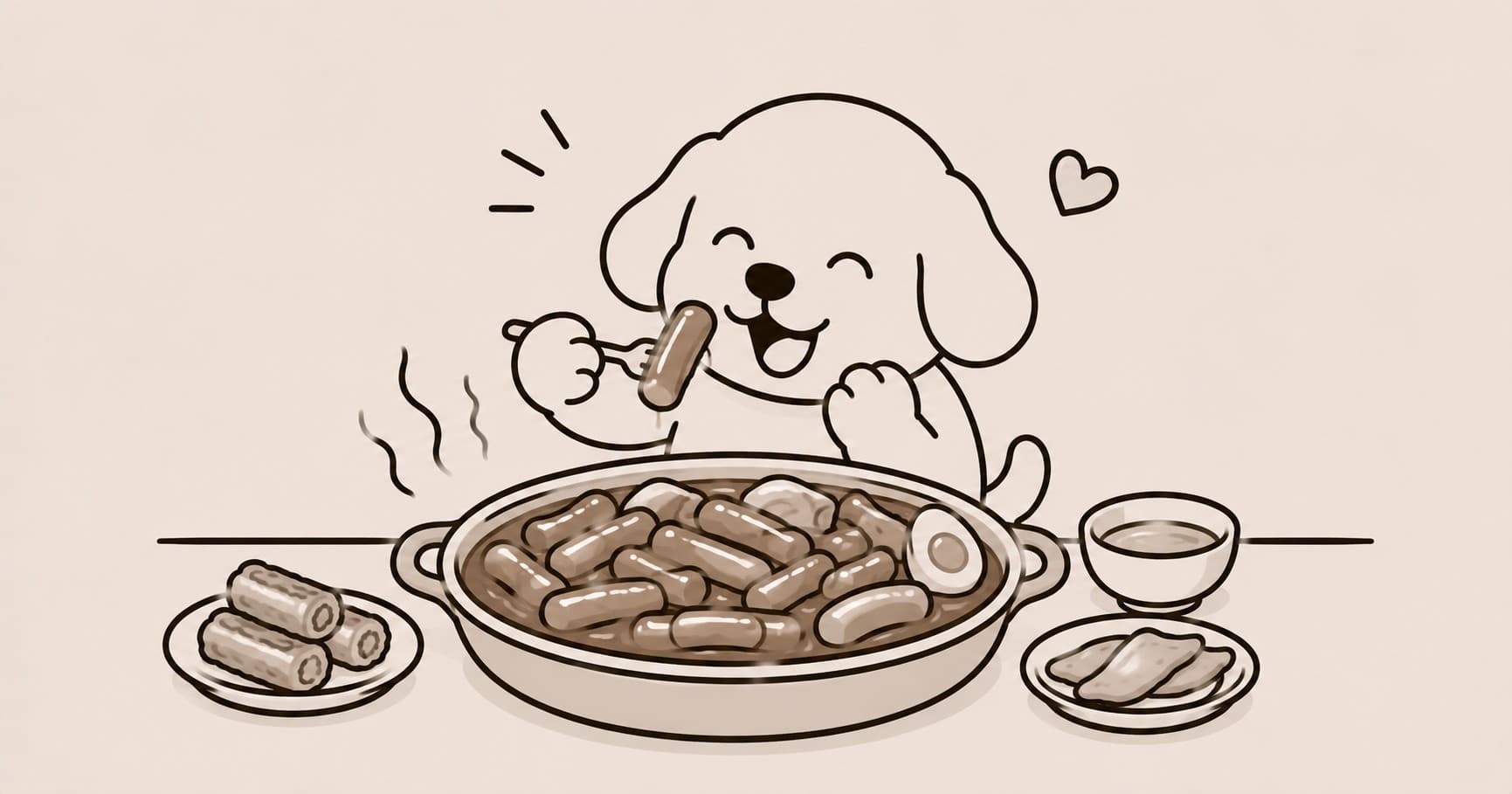
Chewy rice cakes in a spicy-sweet red sauce — 떡볶이 is the taste of Korean street food, school gates, and home cooking. Here's the word, the culture, and everything around it.
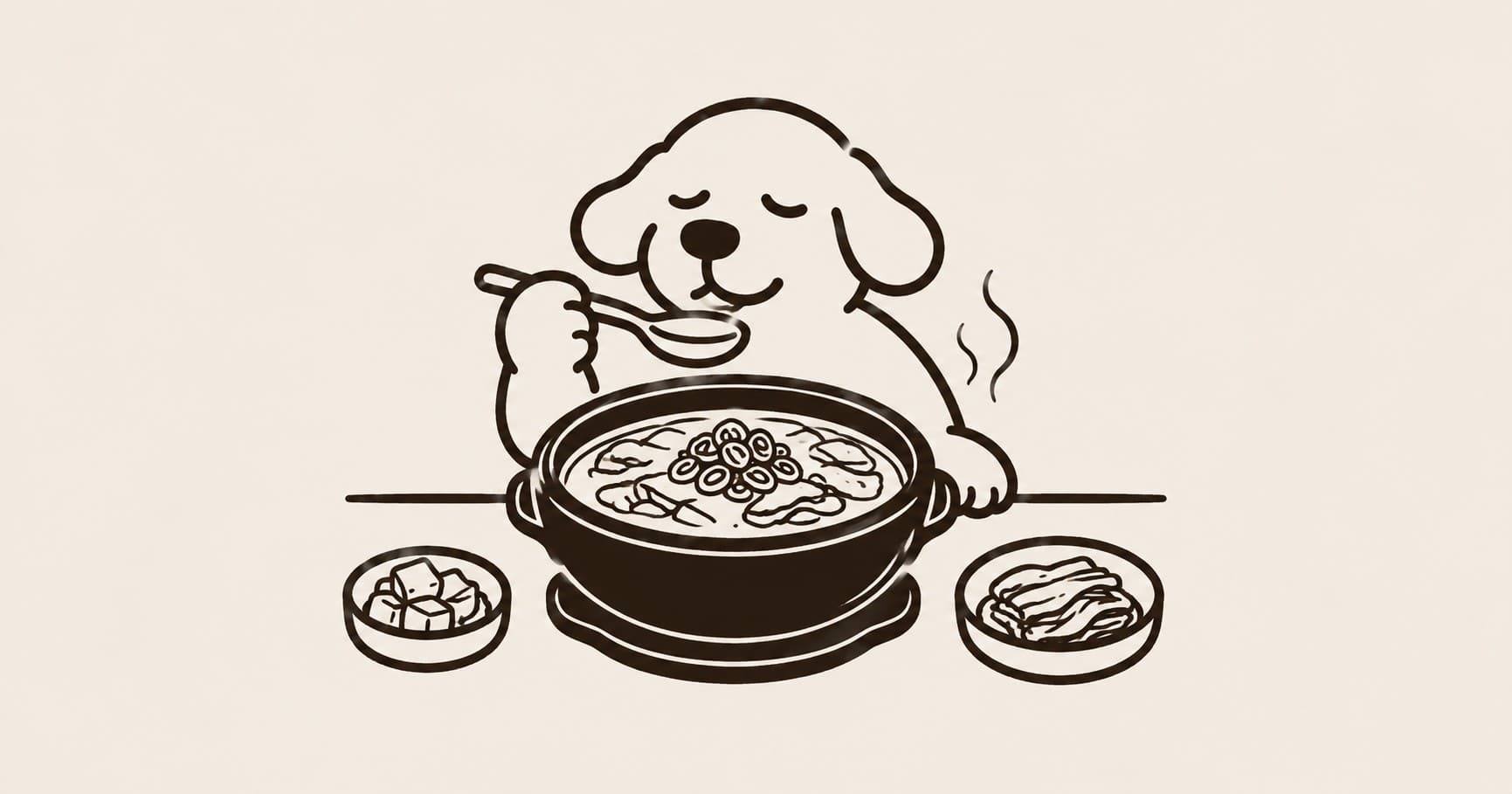
해장국 is the Korean hangover cure — a hot, intense soup eaten early in the morning after a big night. It's also a cultural institution that says something real about how Koreans drink.
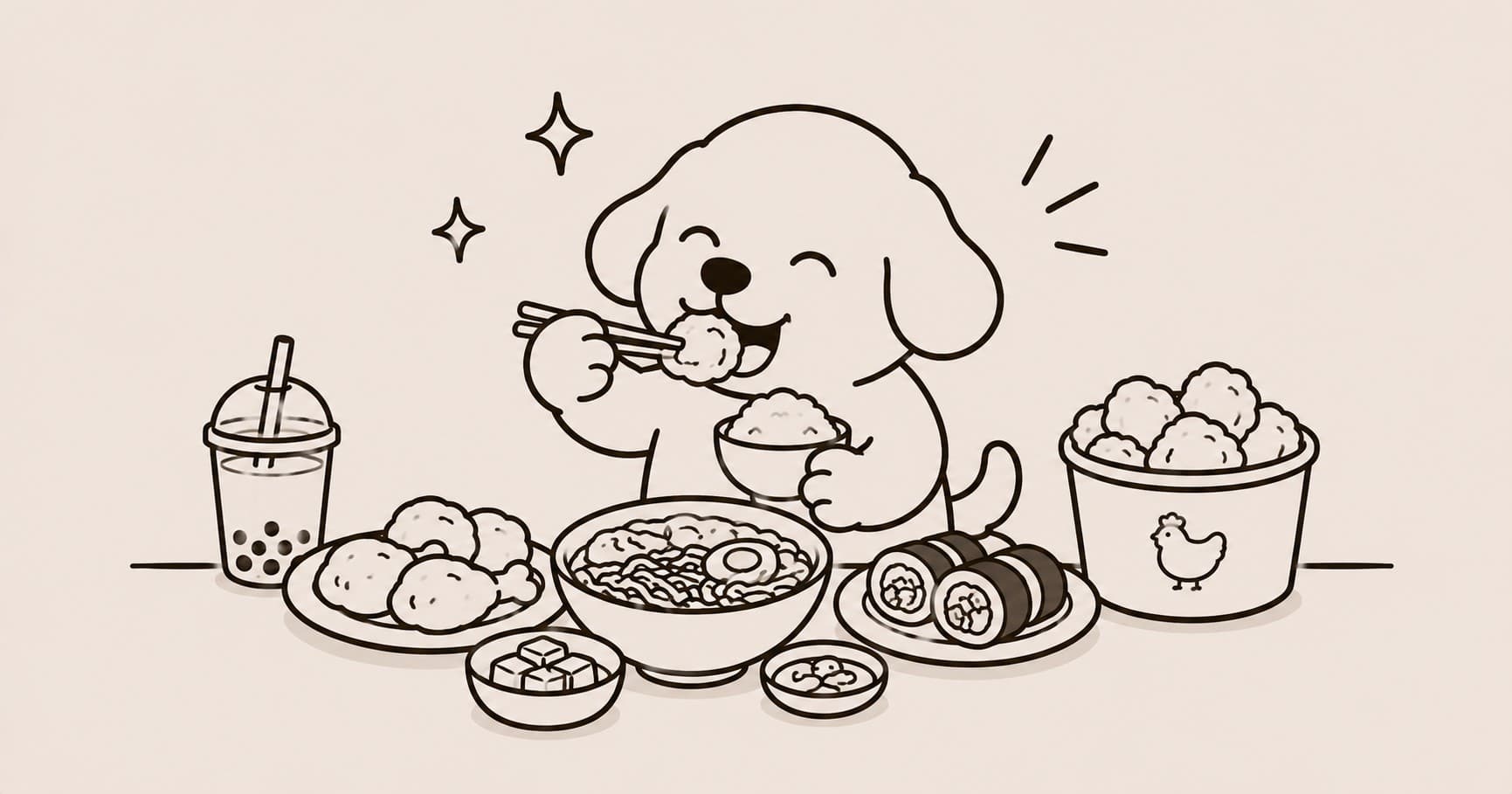
먹방 started in Korea: people broadcasting themselves eating, live, for hours. Now it's a global phenomenon. Here's the word, the culture, and why people watch strangers eat.
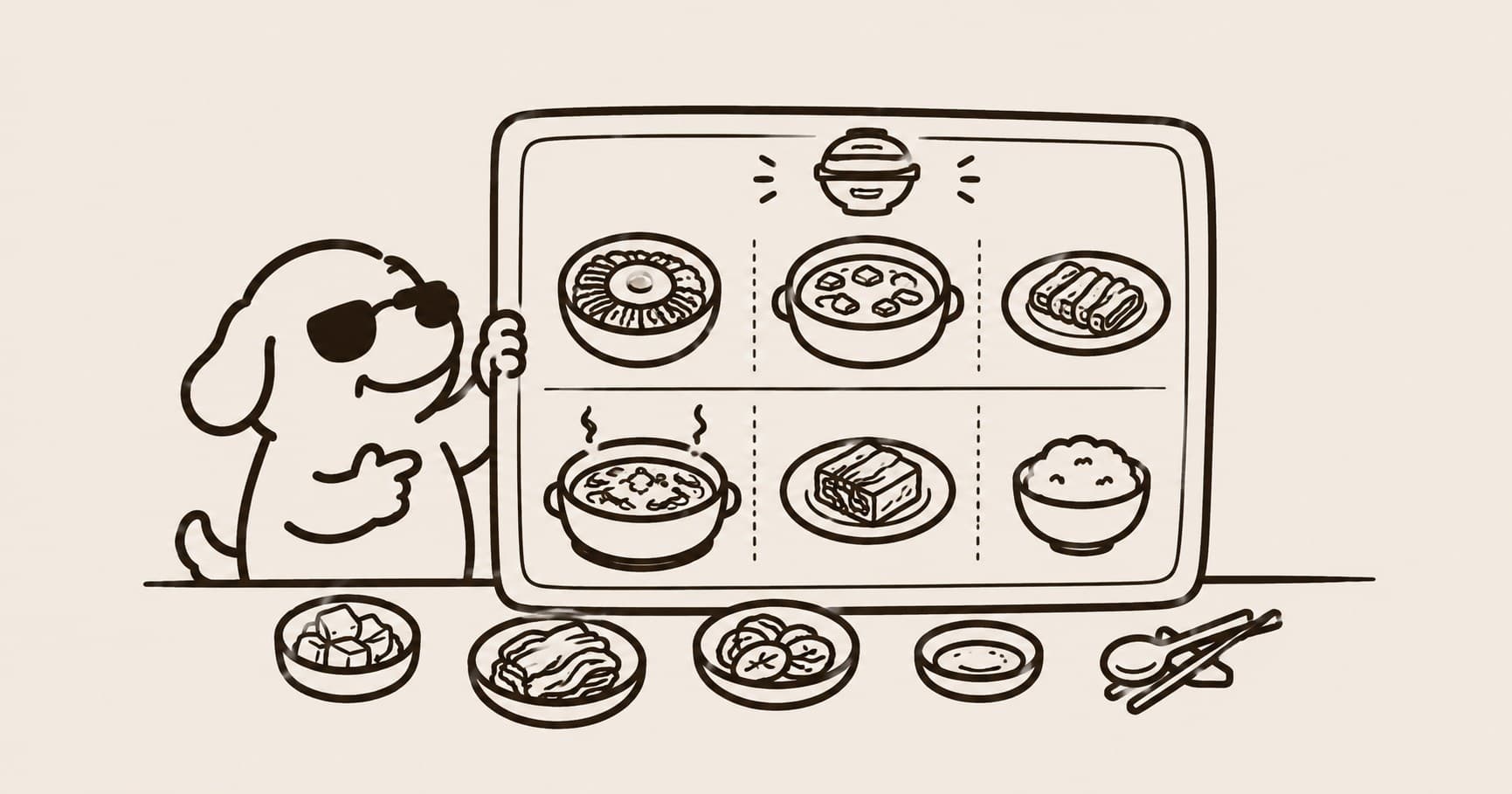
You sit down at a Korean restaurant and the menu arrives. Here are the 15 words you need to read it, order confidently, and understand what's coming to the table.
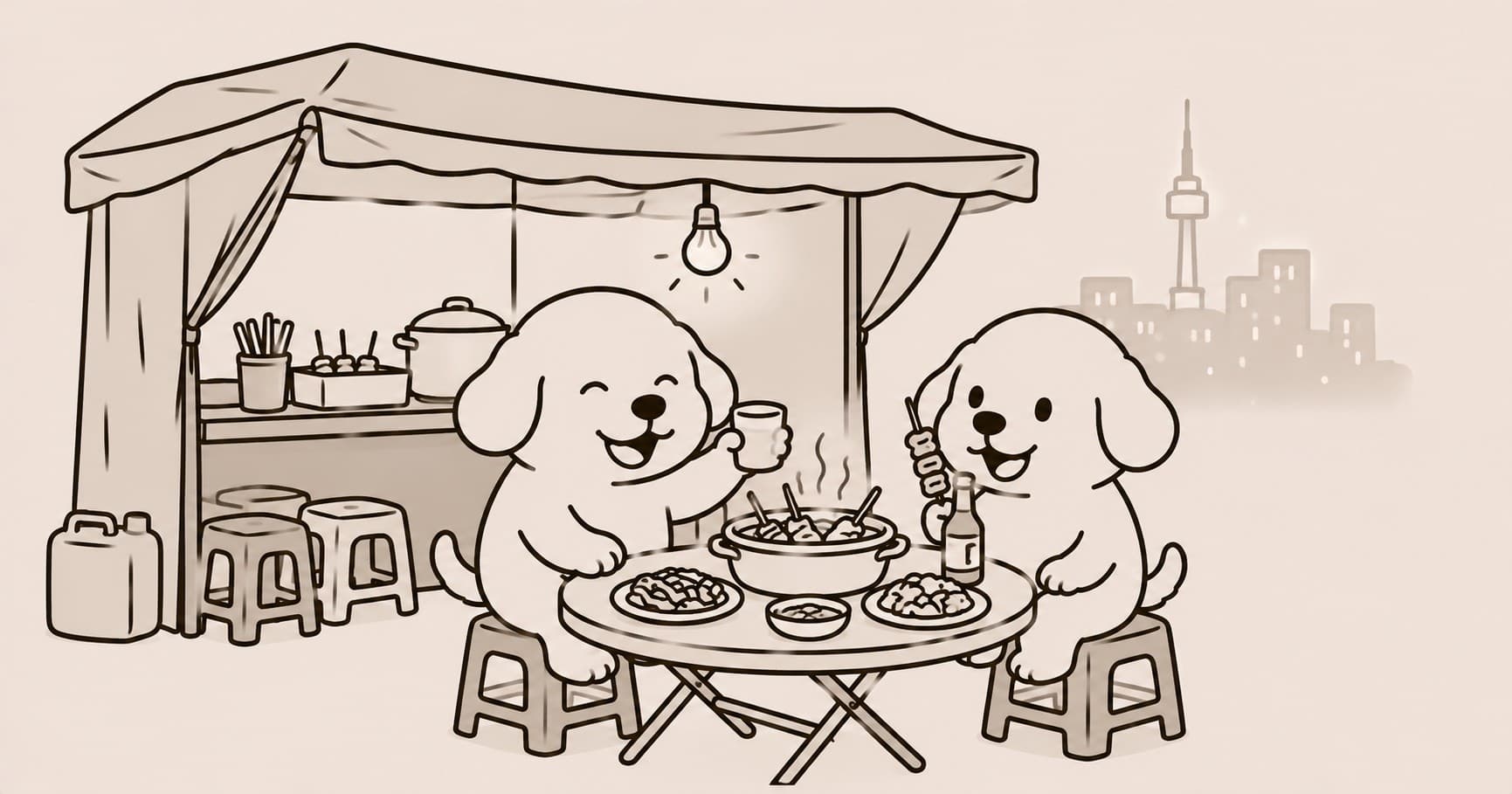
포장마차 are the small tented stalls that appear on Korean streets at night. Hot food, cheap soju, plastic stools, and strangers sitting close together. Here's the vocabulary to join in.
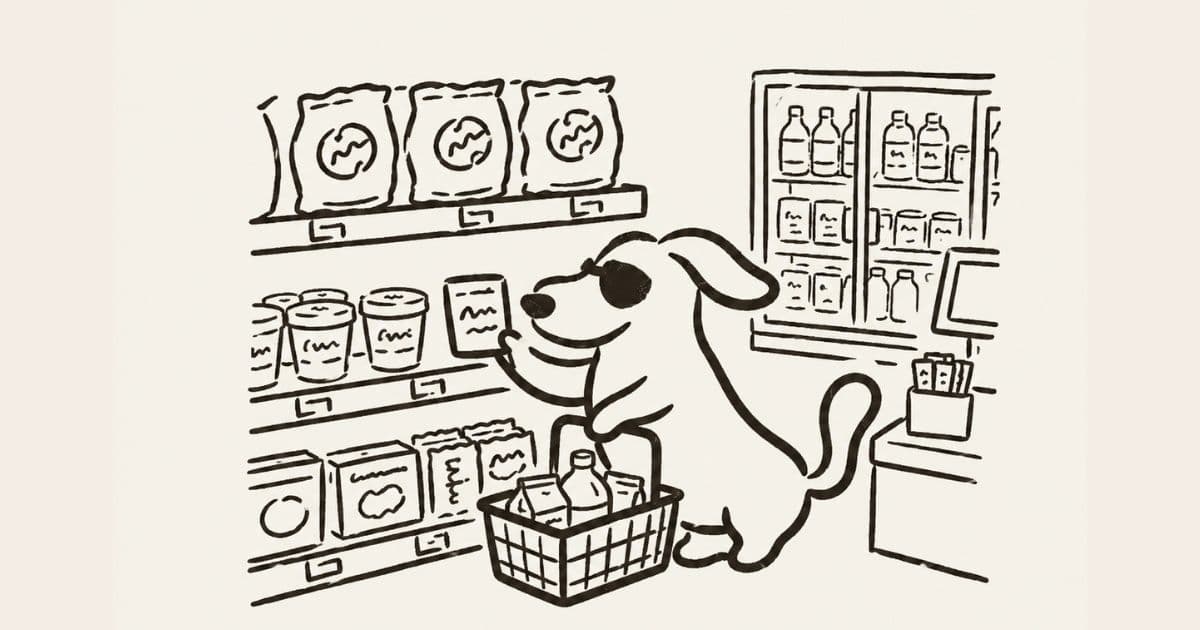
In Korea, the convenience store isn't just a place to grab snacks. It's where you eat lunch, meet friends, and spend more time than you planned. Here's the vocabulary you need.
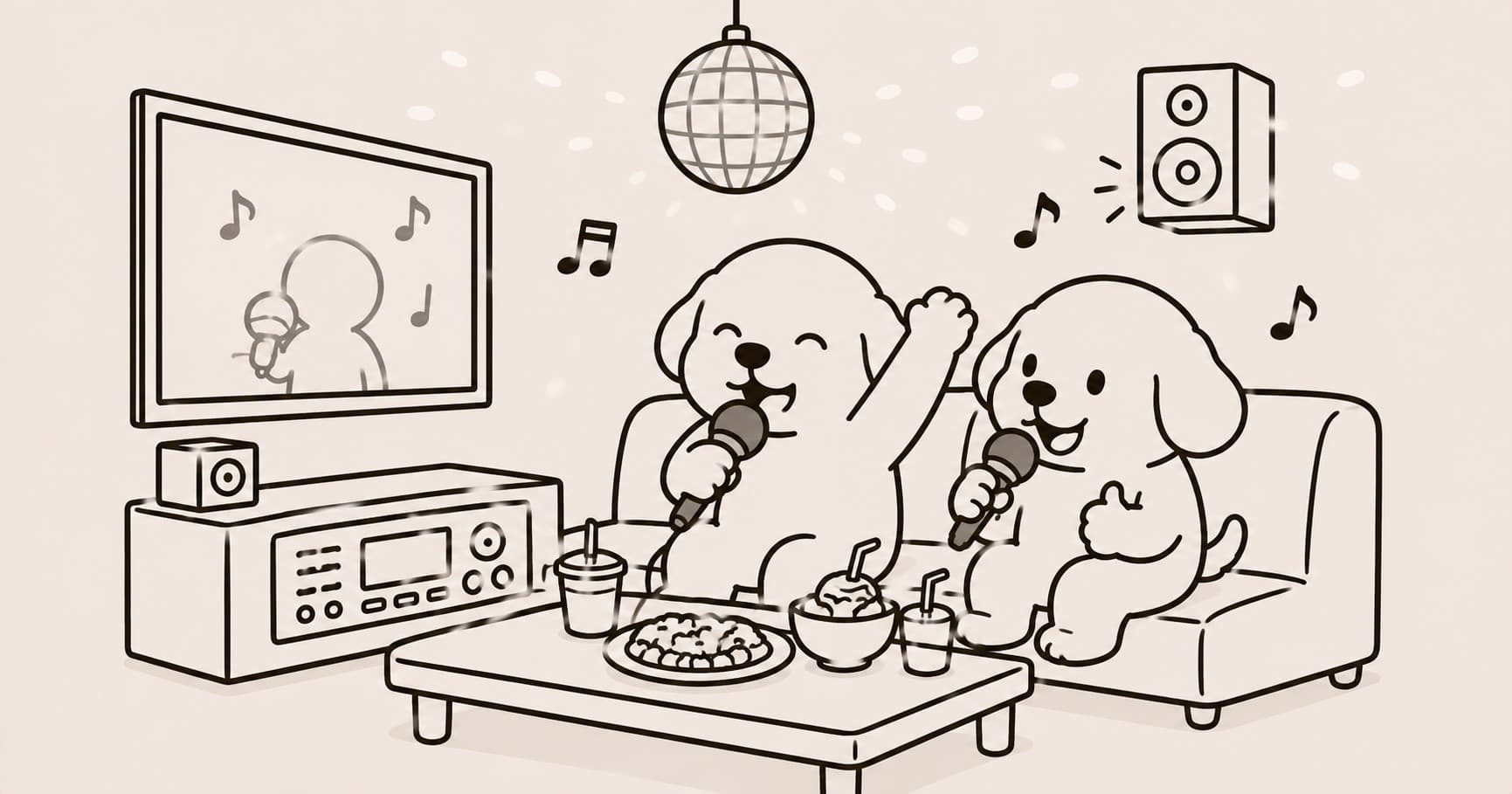
노래방 is not a karaoke bar. It's a private room, a tambourine, a microphone, and your friends. Korea made karaoke better — here's what to expect and what to say.
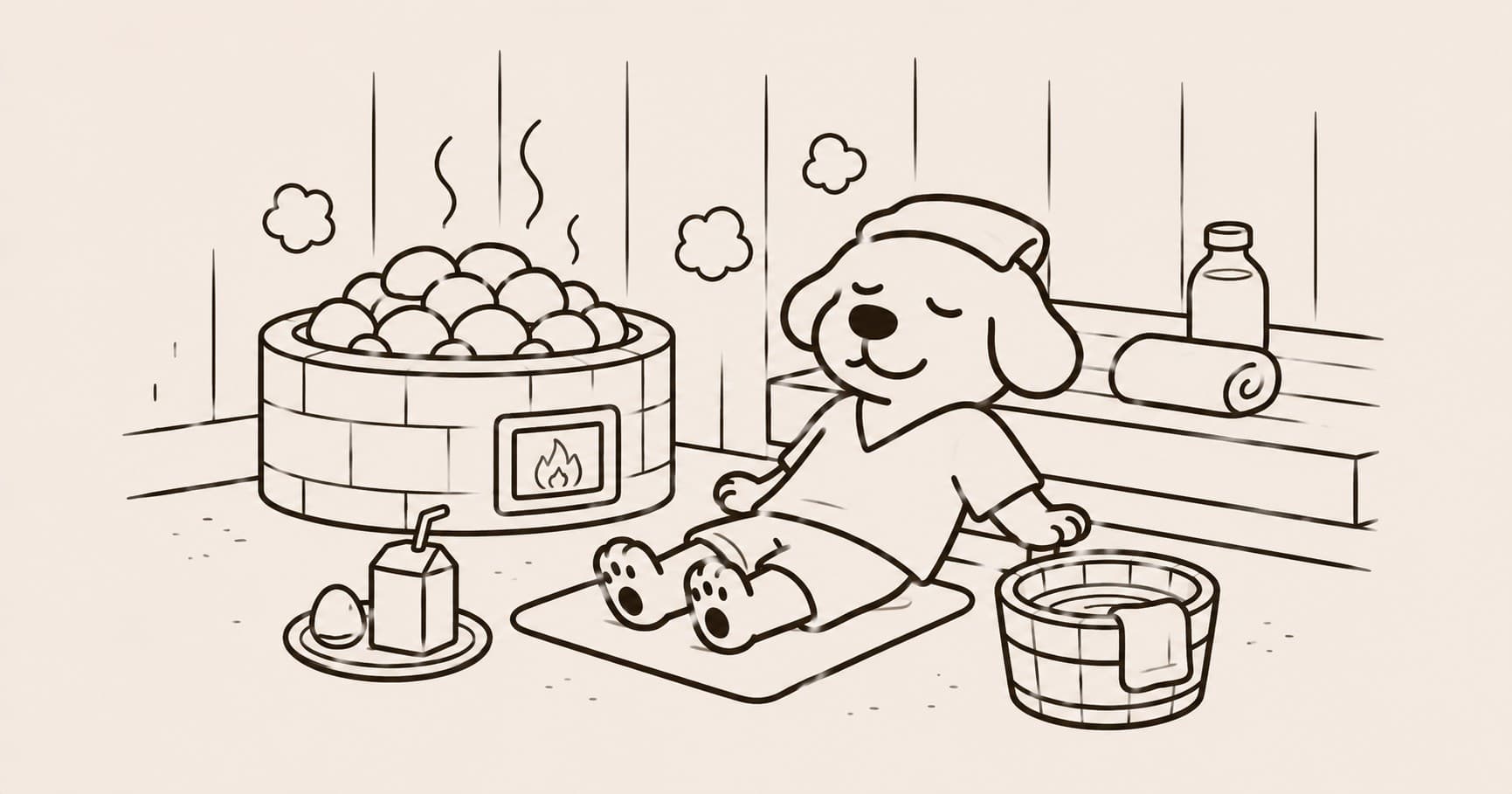
찜질방 is part sauna, part nap room, part social hall. Koreans use it to relax, recover, bond, and sometimes just sleep for the night. Here's everything you need to know.
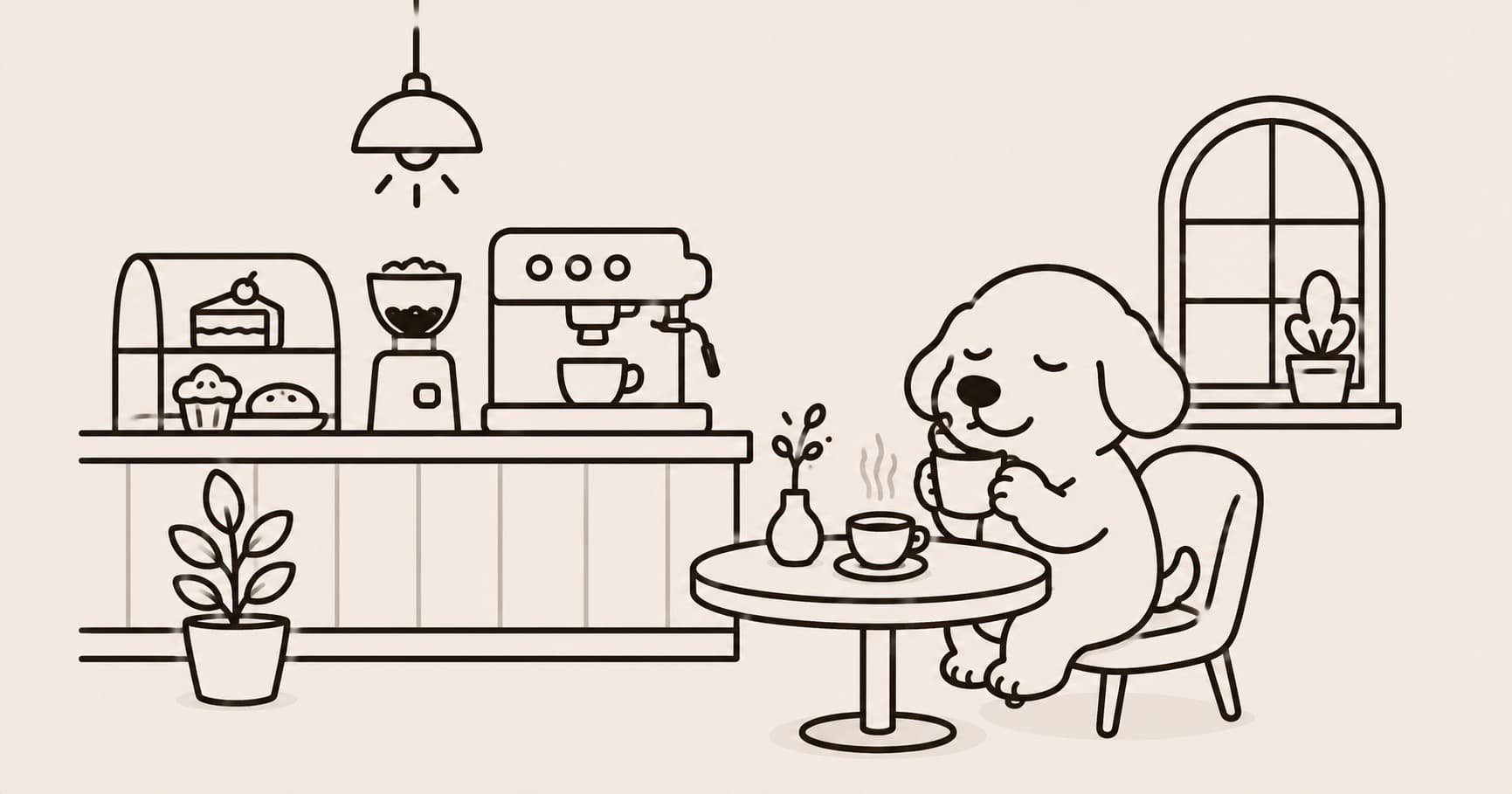
Korea has more coffee shops per person than almost any country in the world. A cafe here isn't just a place to drink coffee — it's an office, a study room, a meeting space, and a social anchor.
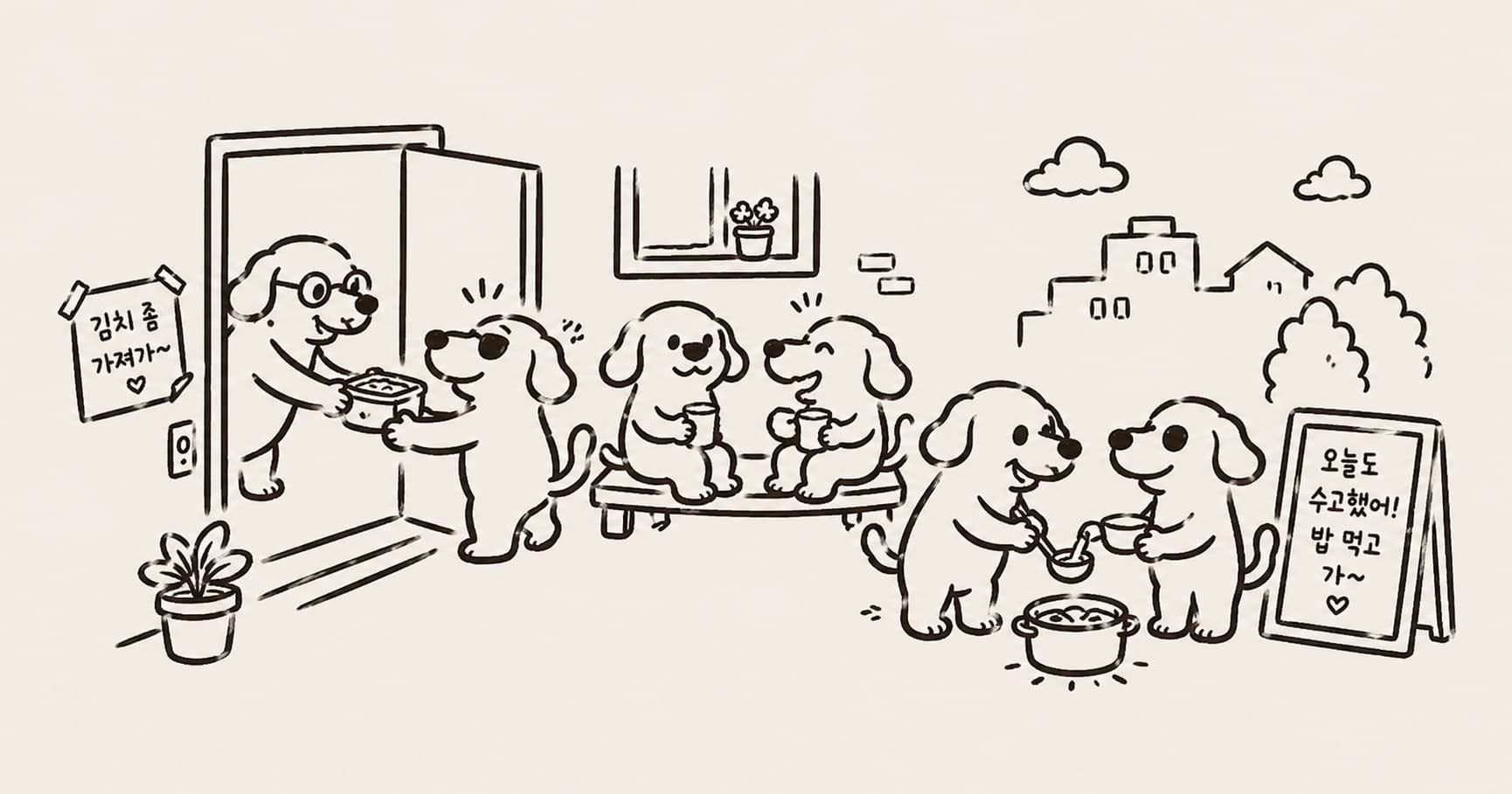
정 is one of the most untranslatable concepts in Korean culture. It's not love, not friendship, not habit — but it's the thing that makes leaving Korea feel heavier than you expected.
혼밥 and 혼술 — eating and drinking alone — went from something Koreans felt embarrassed about to something they made their own. Here's the vocabulary and the culture behind it.
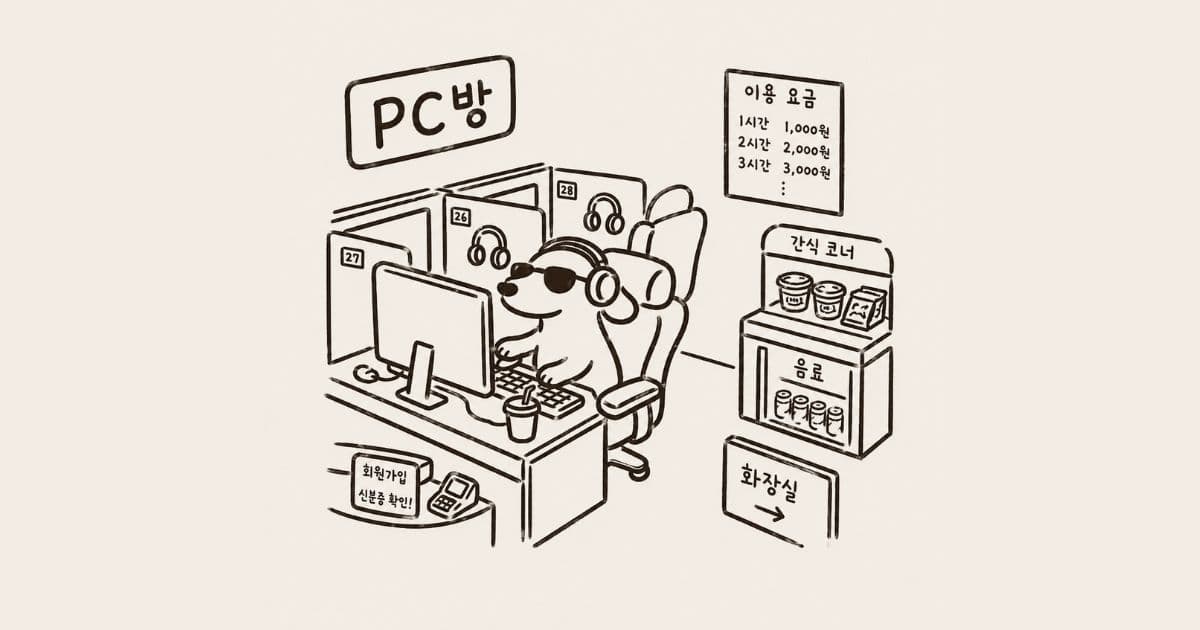
PC방 are everywhere in Korea — and they're not just for gamers. They're a cultural institution that says something interesting about how Koreans use shared space.
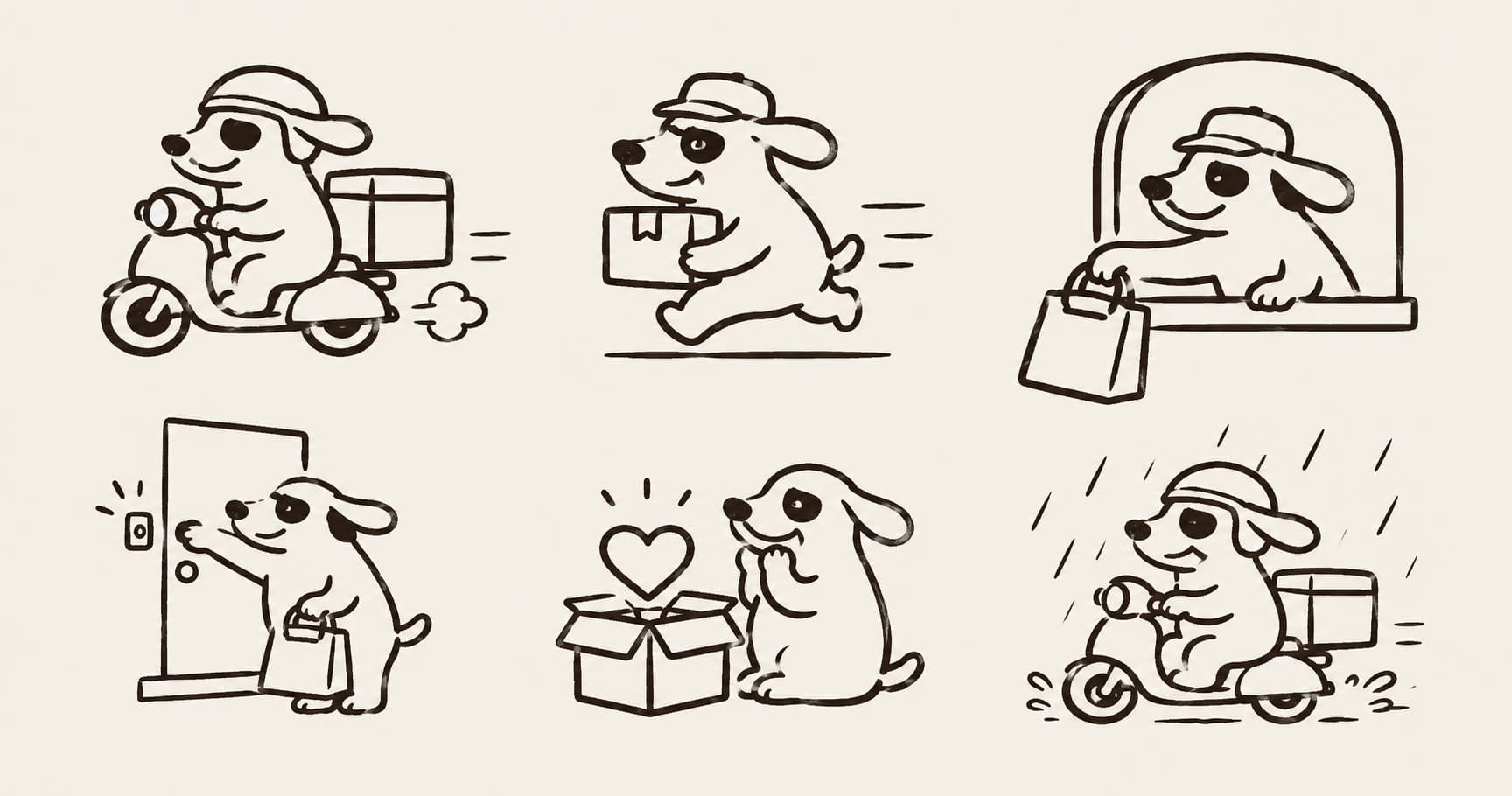
In Korea, you don't go out to eat — you bring the restaurant home. Delivery here is faster, cheaper, and more obsessive than anywhere else on earth.
치킨 + 맥주 = 치맥. Korea's most beloved food combination isn't just a meal — it's a social ritual with its own vocabulary, etiquette, and cultural weight.
Korea moves faster than almost anywhere else on earth. 빨리빨리 isn't just a phrase — it's a national operating mode. Here's where it comes from and what it feels like to live inside it.
눈치 is one of the most important social concepts in Korea — and there's no real English word for it. Understanding it will change how you read every Korean interaction.
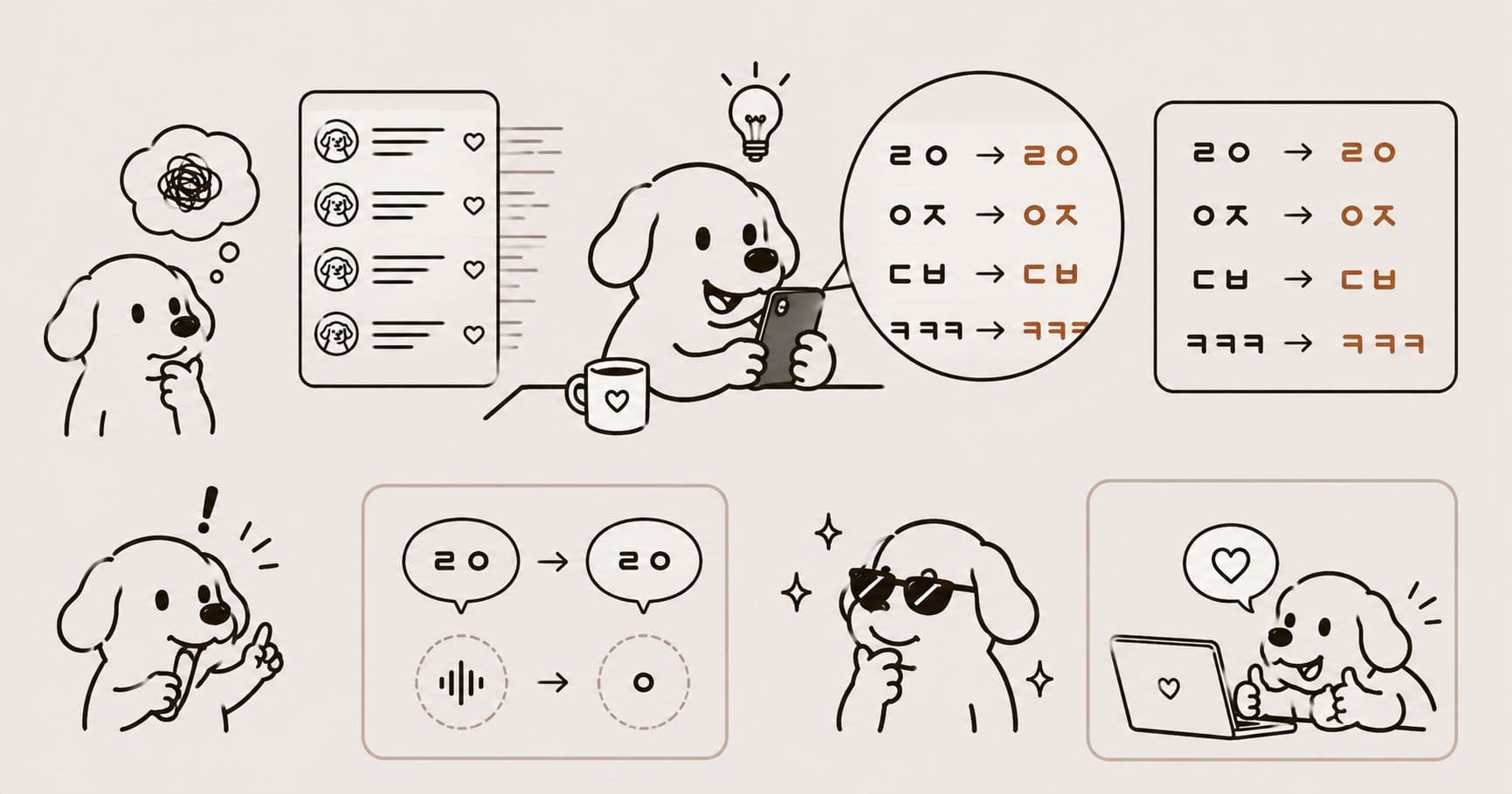
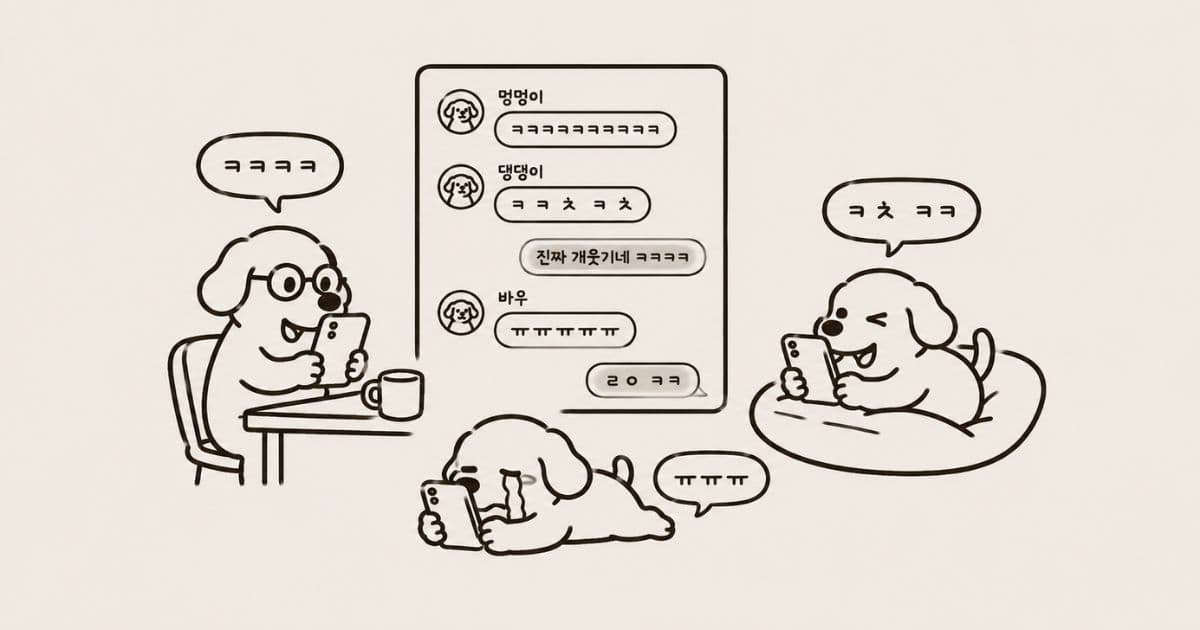
ㅋㅋ, ㄱㅊ, ㅠㅠ — the shortcuts Koreans use every day in texts and group chats that no textbook will ever teach you.
Cherry blossoms, yellow dust, and that restless spring feeling — 10 words that capture what Korea actually feels like in spring.