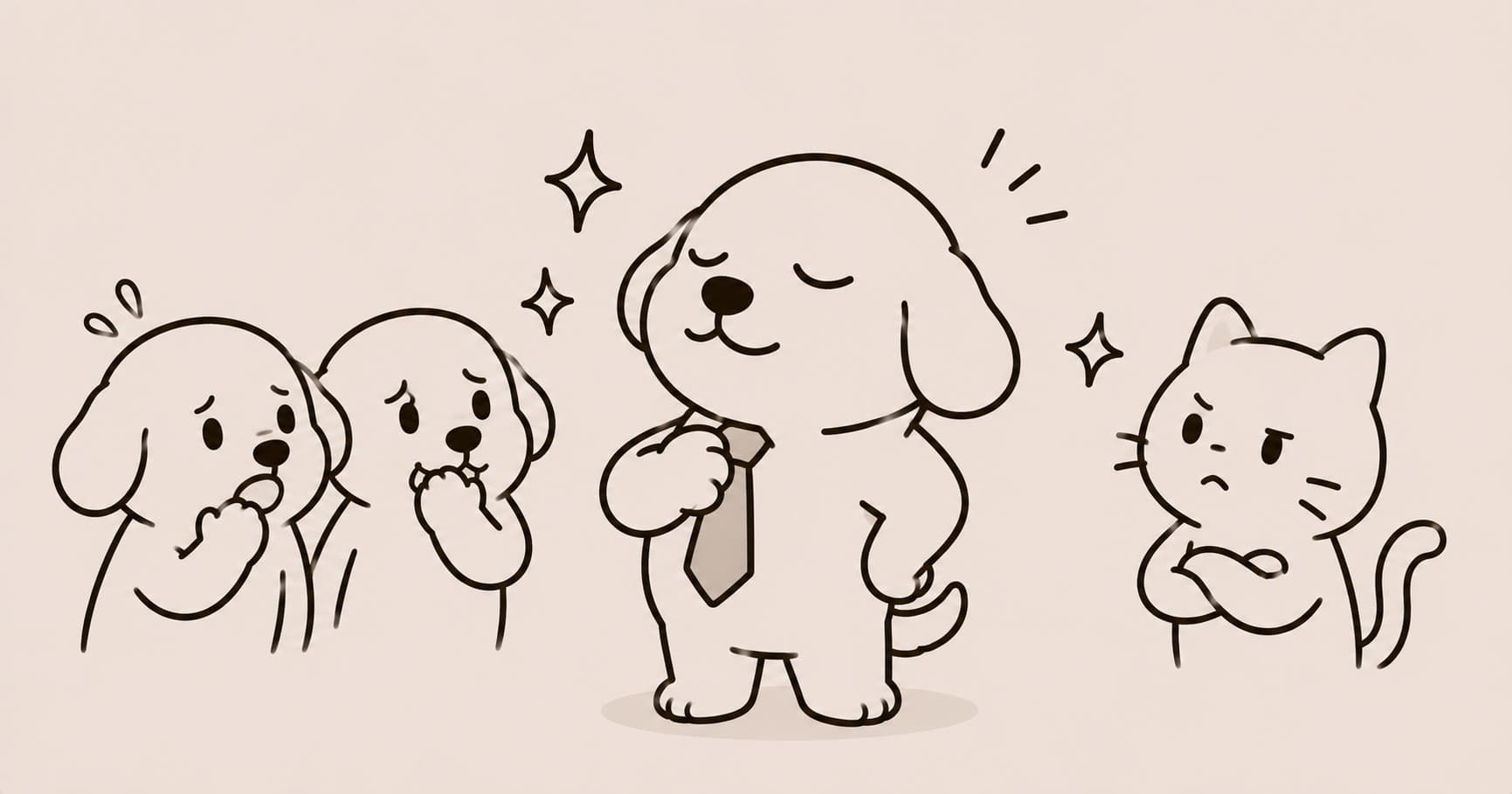
체면 is the Korean concept of face — social dignity, reputation, and the invisible rules around protecting it. It shapes how Koreans speak, disagree, decline, and apologize.
A colleague makes a mistake in a meeting.
No one says anything directly.
A friend recommends a restaurant that turns out to be bad.
You tell them it was great.
Someone asks a question they should know the answer to.
The answer is given gently, without highlighting the gap.
None of this is dishonesty. It's 체면 — the Korean concept of face. And once you understand it, Korean social interactions start to make a different kind of sense.
The word
체면
Romanizationchemyeon
Meaningface / social dignity / reputation in the eyes of others
💡 From Chinese 體面 — body (體) and face/surface (面). 체면 is the social standing a person projects and the dignity others are expected to acknowledge. Losing 체면 in public is one of the most uncomfortable experiences in Korean social life.
The vocabulary
체면을 차리다
Romanizationchemyeoneul charida
Meaningto maintain face / to act with dignity
💡 차리다 means to prepare or compose. 체면을 차리다 is to act in a way that preserves your social standing — choosing words carefully, not showing weakness, behaving appropriately for the setting.
체면을 잃다
Romanizationchemyeoneul ilta
Meaningto lose face
💡 잃다 means to lose. 체면을 잃었어요 = someone lost face — was embarrassed publicly, had their dignity undermined. A serious social event that lingers.
체면치레
Romanizationchemyeonchire
Meaningkeeping up appearances / performing face
💡 치레 implies going through the motions. 체면치레 is doing things for the sake of appearance — attending an event because not going would look bad, giving a gift because not giving one would create awkwardness.
눈치
Romanizationnunchi
Meaningsocial awareness (closely related)
💡 눈치 and 체면 work together. 눈치 is reading the room. 체면 is the thing you're protecting — your own and others'. Someone with good 눈치 knows how to protect the 체면 of everyone in a conversation.
체면 in action
체면 at a dinner
A group of colleagues, one person's idea was rejected at work today
A
A
오늘 회의에서 제 아이디어가 통과 안 됐어요.
My idea didn't get approved at today's meeting.
B
B
그래요? 아이디어 자체는 좋았는데 타이밍이 좀 아쉬웠던 것 같아요.
Really? The idea itself was good — I think the timing just wasn't quite right.
A
A
그렇게 말해줘서 고마워요.
Thank you for saying that.
C
C
(팀장에게) 다음에 더 발전시킬 수 있겠죠, 팀장님?
(to the team leader) We can develop it more next time, right, team leader?
팀장
팀
그럼요. 방향은 맞아요.
Of course. The direction is right.
How 체면 shapes behavior
Situation체면 behaviorWhat's being protected
Correcting someoneIndirect correctionThe other person's dignity
Declining an offer괜찮아요 (not "no")The offerer's dignity
Paying the billCompeting to pay firstYour generosity / status
Admitting a mistakePrivate, not publicYour own face
Disagreeing with a seniorSoftened, tentative phrasingBoth parties' face
Cultural note
체면 is sometimes misunderstood as simply being polite or saving face to avoid embarrassment. But it goes deeper. 체면 is about the social contract — the shared agreement that everyone in a group will protect each other's dignity, especially in public.
This is why Koreans often give face-saving responses that don't fully reflect their true feelings, why disagreements happen behind closed doors rather than in meetings, and why praise is given even when it isn't fully deserved.
For people from more direct cultures, 체면 can be confusing — the signal and the message feel misaligned. But once you understand that the indirectness is the respect, interactions start to make sense in a new way.
체면 isn't about hiding. It's about making space for people to keep their dignity intact — and trusting that they'll do the same for you.