Slang·Beginner·September 2, 2025·3 min read

어색하다 — The Korean Word for Awkward

어색하다 means awkward — but it covers much more than just embarrassing situations. It describes anything that doesn't feel natural, and it comes up constantly in Korean conversation.
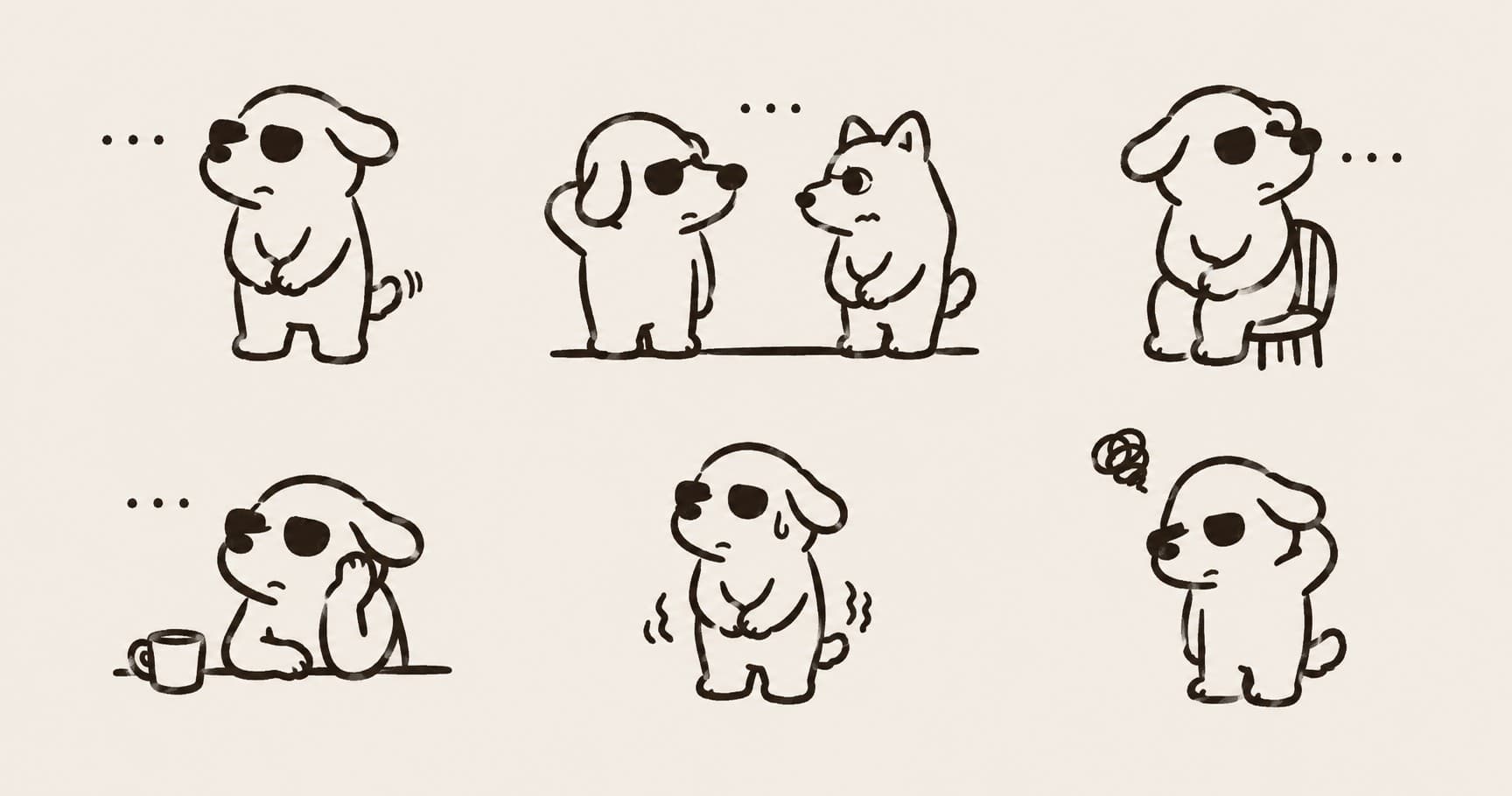
어색하다 — The Korean Word for Awkward

You run into someone you haven't seen in years.

The conversation is a little stiff. You're not sure what to say.

어색해.

You start a new job. You don't know anyone yet. You eat lunch alone.

어색해.

You watch a drama and two characters who clearly like each other pretend they don't.

어색하다.

This word describes a feeling that English usually handles with multiple words — awkward, uncomfortable, stilted, unnatural, out of place. In Korean, one word covers all of it.

The word

어색하다
Romanizationeosaekada
Meaningawkward / unnatural / stilted / uncomfortable
💡 Used for situations, interactions, silences, and performances that feel off or don't flow naturally. 어색해요 is polite. 어색해 is casual. Very commonly used in everyday Korean.

How it's used

어색한 분위기
Romanizationeosaekhan bunwigi
Meaningawkward atmosphere / uncomfortable vibe
💡 분위기 means atmosphere or vibe. 어색한 분위기 is what happens when a conversation goes flat, when two people aren't getting along, or when a group doesn't mesh. Very commonly described this way.
어색하게 웃다
Romanizationeosaekage utda
Meaningto laugh awkwardly / give an uncomfortable smile
💡 어색하게 is the adverb form — awkwardly. 어색하게 웃었어요 = gave an awkward smile. You'll see this in drama descriptions and in everyday storytelling.
어색함을 풀다
Romanizationeosaekameul pulda
Meaningto break the ice / to ease the awkwardness
💡 풀다 means to loosen or resolve. 어색함을 풀다 is to dissolve the awkward feeling — through a joke, a shared activity, time together. The process of things becoming comfortable.

In conversation

어색하다 in real life

Two people set up on a blind date (소개팅)

A
A
처음에 좀 어색했죠?
It was a bit awkward at first, right?
B
B
네, 솔직히 좀 어색했어요. 소개팅이 익숙하지 않아서요.
Yes, honestly it was a little awkward. I'm not used to blind dates.
A
A
저도요. 근데 지금은 어색함이 좀 풀린 것 같아요.
Me too. But I think the awkwardness has eased a bit now.
B
B
맞아요. 처음엔 어색한 분위기였는데 지금은 편하네요.
That's true. At first the atmosphere was awkward, but now it feels comfortable.

When 어색하다 applies

SituationKoreanWhat it means here
Uncomfortable silence어색한 침묵The silence feels heavy, unnatural
Stiff acting연기가 어색하다The performance doesn't feel natural
After a fight사이가 어색하다The relationship feels strained, off
New environment아직 어색해요I'm not settled in yet / still adjusting
Unnatural translation번역이 어색하다The translation sounds off / doesn't flow

Cultural note

어색하다 comes up a lot in Korean social life because Korean social situations have more structure than many Western ones. There are clear roles, clear hierarchies, and expectations about how to behave. When those expectations aren't met — or when two people don't know where they stand — 어색하다 is the natural description.

The opposite is 편하다 (pyeonhada) — comfortable, at ease. When Koreans say 너랑 있으면 편해 (I feel comfortable with you), it's a genuine compliment. It means the 어색함 is gone, and something real has formed in its place.

어색하다 is the gap between strangers. 편하다 is what fills it.

🎙️ Voice generated with ElevenLabs
elevenlabs.io

Share this

XPinterest