도깨비 — Guardian: The Lonely and Great God
A 939-year-old goblin. A girl who can see the dead. A grim reaper who doesn't remember who he is. 도깨비 is the drama that made an entire generation fall in love with old Korean.
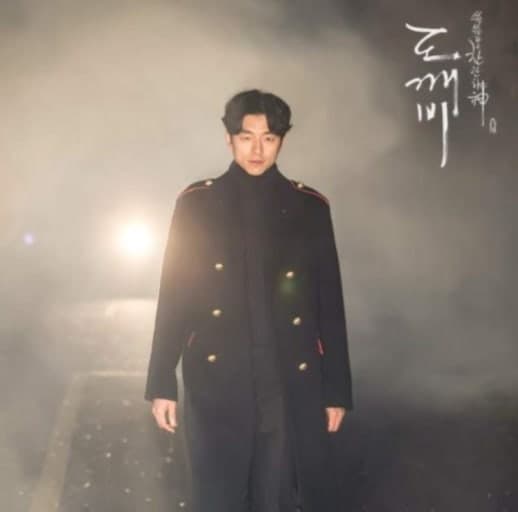
He has lived for nearly a thousand years.
He has seen kingdoms rise and fall. He has watched everyone he loved turn to dust. He is waiting for his bride — the only one who can pull the sword from his chest and finally let him rest.
도깨비 (Goblin, 2016–2017) is many things: a fantasy, a love story, a meditation on memory and loss. But it's also one of the most beautifully written Korean dramas ever made — full of words that don't exist in modern conversation, used in ways that made viewers stop and feel something they couldn't quite name.
The words
Cultural note
도깨비 introduced international audiences to something they hadn't expected from a Korean drama: classical Korean aesthetics. The cinematography was painterly. The soundtrack leaned on silence. The writing reached into old Korean idiom and pulled out phrases that felt like they belonged in poetry.
쓸쓸하다 became one of the drama's defining words — a loneliness so old it had become part of the landscape. Korean viewers recognized it immediately. Non-Korean viewers felt it without fully knowing why.
The show also sparked renewed interest in Korean folklore. 도깨비 aren't demons or villains in the Western sense — they're complicated, ancient, and deeply tied to the land. The drama treated that mythology seriously, and audiences felt the difference.